Netflix's live-action adaptation of One Piece was, against all odds, a resounding triumph. After years of Hollywood failing to stick the landing with beloved anime and manga properties, the series managed to capture the spirit of Eiichiro Oda’s sprawling creation, earning critical acclaim and fan approval. Now, with Season 2 freshly launched, all eyes are on Season 3, and here's the thing: it’s not just another season. This next chapter, tackling the Alabasta Saga, presents the biggest test yet for the showrunners, a true make-or-break moment for the live-action saga.
The Alabasta Arc isn't just a part of the One Piece anime and manga; it’s widely considered *the* arc that elevated the story from a fun, episodic adventure into a bona fide epic. This is where the Straw Hats — Monkey D. Luffy (Iñaki Godoy) and his crew — truly begin to grapple with the grander, often darker, political and ethical complexities of their world. For the Netflix adaptation to take on this pivotal narrative, the stakes are astronomically high. It means proving the series can handle not just quirky characters and exciting fights, but also intricate world-building, profound emotional beats, and massive, multi-front conflicts.

The Alabasta Arc: Where the Grand Line Gets Real
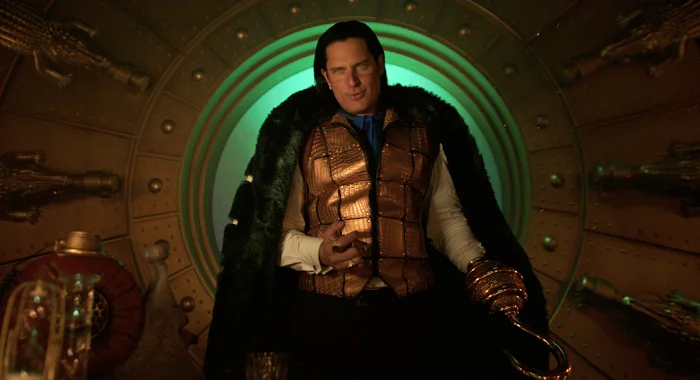
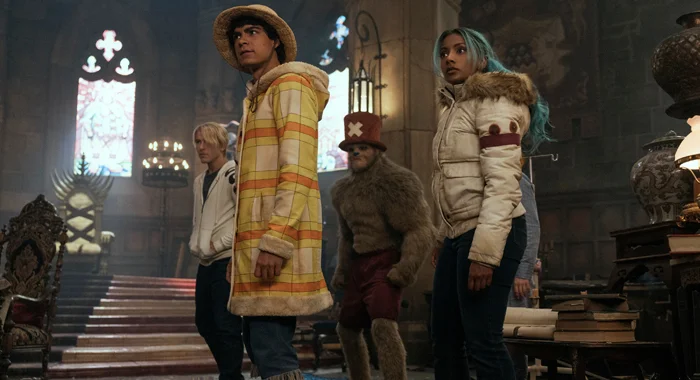
Season 2 saw Luffy and the Straw Hats enter the treacherous Grand Line, picking up their lovable doctor, Tony Tony Chopper (voiced by Mikaela Hoover), and setting a course for Alabasta to aid Princess Vivi (Charithra Chandran). That’s precisely where Season 3 will pick up, diving headfirst into a civil war engulfing Vivi’s desert kingdom. The central conflict involves the Straw Hats working to expose and defeat the Baroque Works criminal syndicate, spearheaded by the notorious Mr. 0, better known as Crocodile (Joe Manganiello).
This arc isn't just a string of battles; it’s a deep dive into Alabasta's culture, its tragic past, and the moral ambiguities of leadership. Readers of the manga and watchers of the anime know it's a narrative that demands sophisticated storytelling and top-tier visual effects. Eiichiro Oda himself confirmed in late 2025 that Season 3 will "conclude the Alabasta Saga," suggesting a focused, if not exclusively single-arc, approach. This means the show will need to bring to life elaborate fights, the spectacular manifestations of Devil Fruit powers, and a truly explosive climax that resonates emotionally.
Key Players and Anticipated Casting
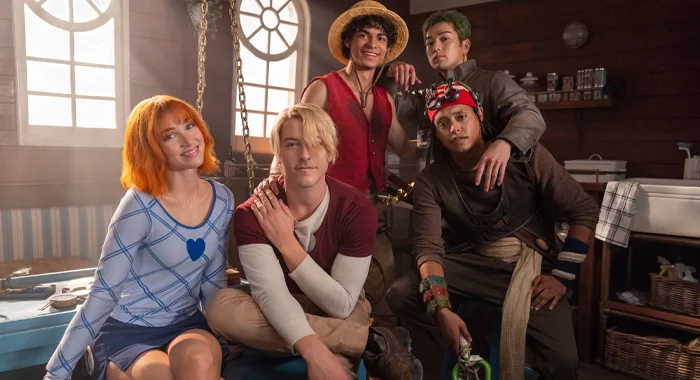
The core Straw Hats — Emily Rudd as Nami, Mackenyu as Zoro, Taz Skylar as Sanji, and Jacob Gibson as Usopp, alongside Chopper and Luffy — will all return. We’ll also see the reappearance of Vivi, her father Nefertari Cobra (Sendhil Ramamurthy), and Marine Captains Smoker (Callum Kerr) and Tashigi (Julia Rehwald). Lera Abova's Miss All Sunday, also known as Nico Robin, is set to return, her role becoming increasingly complex.
But it's the new introductions that really have fans talking. Joe Manganiello as Crocodile has been generating buzz, but the casting of Cole Escola as Mr 2. Bon Clay, the flamboyant shape-shifter, is inspired. Then there’s Awdo Awdo as Mr. 1 Daz Bonez, whose body can transform into steel blades, and Daisy Head as Miss Doublefinger, capable of growing sharp spikes. These Baroque Works officers aren't just villains; they offer unique combat scenarios and often surprising depth.
Perhaps the most electrifying reveal for many fans is the casting of Cobra Kai star Xolo Maridueña as Portgas D. Ace. Ace, Luffy's brother, is a pirate with a potent fire Devil Fruit ability and a key figure in the Whitebeard Pirates. This casting has been a long-standing desire among the fandom, and seeing it come to fruition speaks volumes about the production's dedication to fan expectations and the source material's integrity. It's a clear signal that Netflix understands the emotional weight these characters carry.
A Shifting Helm: New Leadership Behind the Scenes
The creative leadership for Season 3 also sees some significant changes. Matt Owens, who co-developed the live-action adaptation with Steve Maeda, departed the show in March 2025 to prioritize his mental health. Joseph E. Tracz, who had been showrunner, oversaw the post-production for Season 2. Now, Ian Strokes has officially joined as co-showrunner for Season 3.
Both Tracz and Strokes are familiar with the Straw Hats' journey, having served as writers on previous seasons — Strokes on both seasons, Tracz on Season 2. This continuity helps, but a change at the top, especially after such a successful launch, always brings a degree of scrutiny. An informed observer might wonder how this shift impacts the creative vision, particularly as the series moves into its most narratively demanding arc. It’s a delicate balancing act to maintain the established tone while bringing fresh perspectives to a story of this scale.

The Production Gamble: Filming Back-to-Back
While a premiere date for Season 3 remains undisclosed, there’s encouraging news for impatient fans: it filmed back-to-back with Season 2. This strategy is a strong indicator of Netflix’s confidence in the series and a clear effort to shorten the notoriously long gaps between seasons that plague many high-concept productions. For a show with significant VFX requirements and complex sets, filming consecutively allows for greater efficiency, potentially keeping the momentum going for the audience.
Back-to-back production also suggests a substantial upfront investment and a long-term commitment from the streamer. It’s a calculated risk, but for a property as massive as One Piece, it points to a belief that the live-action can not only sustain but grow its global audience. This kind of planning is crucial when you're adapting a story that literally runs for decades.
The Road Ahead
The success of Netflix's *One Piece* isn't just a win for its creators; it’s a blueprint for how to approach challenging adaptations. But the real work begins now. Can it maintain that delicate balance of whimsy and gravitas as the story deepens? The Alabasta Saga is less about simple pirate adventures and more about global politics, loyalty, and the devastating cost of conflict. If the live-action can truly capture the emotional weight, the intricate character arcs, and the sheer epic scale of this particular story, then the future of the Straw Hats on screen looks incredibly bright.