
The Blockbuster Era Takes Flight
Box office supremacy that year belonged largely to Tony Scott's Top Gun. It was pure, unapologetic machismo and high-octane action, a perfect antidote to real-world anxieties. But if fighter jets and beach volleyball weren't your speed, audiences still had plenty of variety. You could laugh with Paul Hogan's distinct Australian charm in Crocodile Dundee, or join Matthew Broderick for some truancy in Ferris Bueller’s Day Off. And for those drawn to the darker side, David Cronenberg delivered a visceral, body-horror masterpiece with The Fly, starring Jeff Goldblum's unsettling transformation. It's a testament to the year's breadth that such disparate films could all thrive.Sequels That Raised The Bar
Here's the thing about 1986: it wasn't just about original hits. This was a stellar year for sequels, films that often outshone their predecessors. James Cameron took the reins from Ridley Scott to direct Aliens, a film so impactful it earned Sigourney Weaver an Academy Award nomination. The Star Trek franchise found major success with Star Trek IV: The Voyage Home, neatly wrapping up a narrative arc that began with Star Trek II: The Wrath of Khan. And then there was Ralph Macchio, back for more martial arts action in The Karate Kid Part II, taking the fight all the way to Okinawa. These weren't just cash grabs; they genuinely built upon their foundations.Oscar Gold and Defining Moments
The awards circuit also crowned some undisputed classics from 1986. Oliver Stone had a powerful year, delivering both Platoon, which swept four Academy Awards including Best Picture, and Salvador, another critically recognized film with two nominations. It was a landmark year for individual achievements too. Paul Newman finally secured his much-deserved Best Actor Oscar for his role in Martin Scorsese’s The Color of Money. And in a truly historic moment, Marlee Matlin became the first hearing-impaired actor to win an Academy Award for her performance in Children of a Lesser God. From action-packed blockbusters to thought-provoking dramas and genre-defining sequels, 1986 truly was a monumental year for film. Now, let’s see how they stack up. Below, we've ranked the best of 1986, according to the Tomatometer. --- ### The Top 8 Films of 1986 by Tomatometer
#1
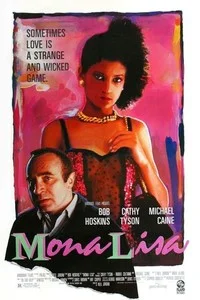
 98%
98%
98%
#2
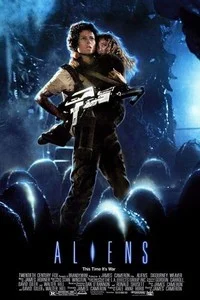 94%
94%
94%
#3
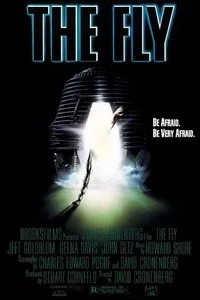 94%
94%
94%
#4
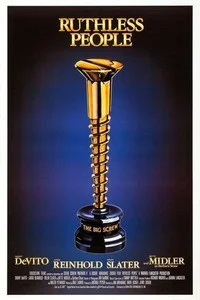 93%
93%
93%
#5
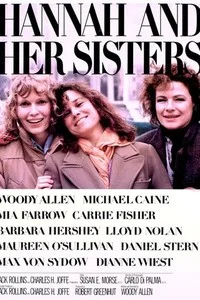 92%
92%
92%
#6
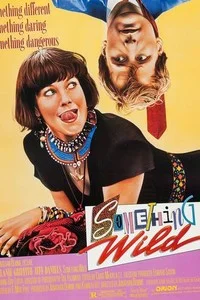 92%
92%
92%
#7
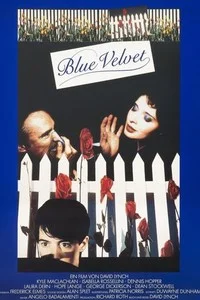 91%
91%
91%
#8
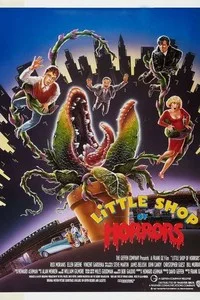 91%
91%
Here's where things get interesting, as we push past the top tier and into the next bracket of critical darlings. What you'll find here isn't just a list of well-received films, but a striking cross-section of the era's diverse cinematic output, featuring everything from gritty thrillers to heartfelt dramas and even animated classics. The consistency in quality, even with scores dipping slightly, is a testament to 1986 as a standout year for cinema.
91%
The Near-Perfect Scores
Kicking off this segment at number 9, we have Michael Mann's neo-noir thriller, Manhunter. With a **90% Tomatometer score**, critics praised its "elegant, chilling detachment," notably for introducing audiences to Hannibal Lecter. William Petersen leads the cast, while Mann's directorial fingerprint is unmistakable, even in this earlier work.  Right behind it, claiming the 10th spot, is David Anspaugh's Hoosiers, also hitting a solid **90%**. The consensus acknowledges its adherence to the classic underdog sports story, yet highlights its "loving craft" and "excellent performances." It's hard to argue with a film starring Gene Hackman and Dennis Hopper; their contributions clearly elevate what could have been a standard genre piece.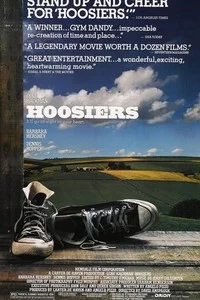
The Powerful 89% Tier
As we slide into the 89% range, the themes get significantly heavier. Oliver Stone’s visceral war drama, Platoon, ranks at #11.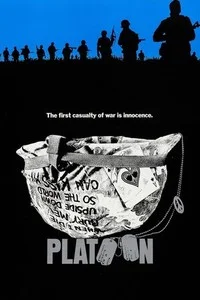 Informed by Stone's own Vietnam experiences, the film offered a brutal, "ground-level view of war" and featured raw, "no-holds-barred performances" from Charlie Sheen and Willem Dafoe. It's a foundational piece for understanding the cinematic portrayal of that conflict.
Next up, at #12, is Alex Cox's Sid & Nancy, another film sitting at **89%**. This isn't just a punk rock biopic; critics called it "visceral, energetic, and often very sad," commending Gary Oldman's "outstanding" portrayal of Sid Vicious. It’s a harsh, yet surprisingly tender, look at a destructive relationship.
Informed by Stone's own Vietnam experiences, the film offered a brutal, "ground-level view of war" and featured raw, "no-holds-barred performances" from Charlie Sheen and Willem Dafoe. It's a foundational piece for understanding the cinematic portrayal of that conflict.
Next up, at #12, is Alex Cox's Sid & Nancy, another film sitting at **89%**. This isn't just a punk rock biopic; critics called it "visceral, energetic, and often very sad," commending Gary Oldman's "outstanding" portrayal of Sid Vicious. It’s a harsh, yet surprisingly tender, look at a destructive relationship. 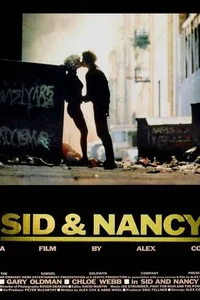 Completing the 89% group, and perhaps the most unsettling entry, is John McNaughton's Henry: Portrait of a Serial Killer, at #13.
 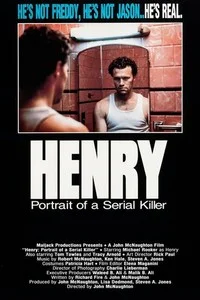 This one, starring Michael Rooker, is consistently described by critics as "effective, chilling," and something "sure to shock and disturb." It’s an independent film that punches far above its weight in terms of lasting impact.
Coming of Age and Masterful Directors
Moving to the **88%** bracket, Rob Reiner’s adaptation of Stephen King’s novella, Stand by Me, lands at #14. 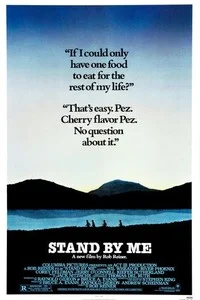 This film stands as a benchmark for coming-of-age stories, praised for its "wise, nostalgic" feel and capturing "both Stephen King’s voice and the trials of growing up," with memorable performances from its young cast, including River Phoenix and Wil Wheaton.
A more obscure, yet highly regarded, selection at #15 is Andrei Tarkovsky's The Sacrifice.
This film stands as a benchmark for coming-of-age stories, praised for its "wise, nostalgic" feel and capturing "both Stephen King’s voice and the trials of growing up," with memorable performances from its young cast, including River Phoenix and Wil Wheaton.
A more obscure, yet highly regarded, selection at #15 is Andrei Tarkovsky's The Sacrifice. 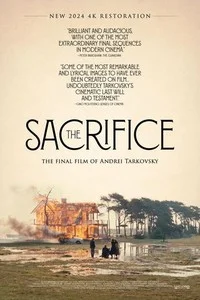 This film, described as "formally impressive, visually accomplished, and narratively rewarding," is considered a "fittingly solid capstone" to Tarkovsky's already brilliant career. It's a profound, challenging work that demands attention.
Then there's Martin Scorsese's The Color of Money at #16, earning an **87%**. While critics noted its inferiority to the original, the sheer magnetism of Paul Newman and Tom Cruise on screen, coupled with Scorsese's "superb" direction, made it an undeniable success. It's a masterclass in performance and craft.
This film, described as "formally impressive, visually accomplished, and narratively rewarding," is considered a "fittingly solid capstone" to Tarkovsky's already brilliant career. It's a profound, challenging work that demands attention.
Then there's Martin Scorsese's The Color of Money at #16, earning an **87%**. While critics noted its inferiority to the original, the sheer magnetism of Paul Newman and Tom Cruise on screen, coupled with Scorsese's "superb" direction, made it an undeniable success. It's a masterclass in performance and craft. 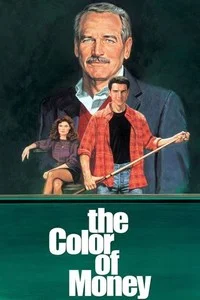
80s Pop Culture Icons
The next cluster brings us firmly into 80s pop culture territory, with scores dipping into the low 80s but impact remaining high. At #17, John Hughes’ Ferris Bueller's Day Off registers an **83%**. 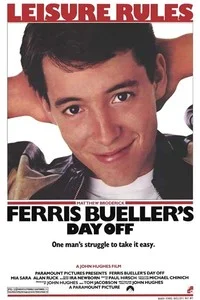 It's a film that defines a generation, with Matthew Broderick charming audiences in a "light and irrepressibly fun movie about being young and having fun." Its cultural footprint extends far beyond its critical score.
Alan Metter's Back to School, at #18, delivers an **81%**.
It's a film that defines a generation, with Matthew Broderick charming audiences in a "light and irrepressibly fun movie about being young and having fun." Its cultural footprint extends far beyond its critical score.
Alan Metter's Back to School, at #18, delivers an **81%**. 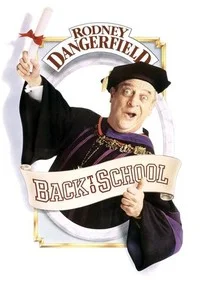 Critics loved how the movie gave Rodney Dangerfield ample space to deliver his trademark humor, balancing his "freewheeling funnyman" persona with enough narrative to hold it together.
Sharing that **81%** at #19 is Star Trek IV: The Voyage Home, directed by Leonard Nimoy.
Critics loved how the movie gave Rodney Dangerfield ample space to deliver his trademark humor, balancing his "freewheeling funnyman" persona with enough narrative to hold it together.
Sharing that **81%** at #19 is Star Trek IV: The Voyage Home, directed by Leonard Nimoy. 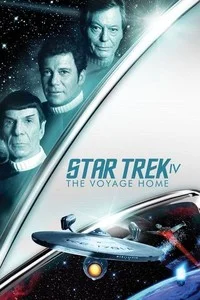 This installment is often cited as one of the most "enjoyable" in the series, standing out for its lighter tone and emphasizing the "eccentricities of the Enterprise’s crew."
Closing Out the List (So Far)
Rounding out this section, we hit the **70% range**. Don Bluth's animated feature, An American Tail, comes in at #20 with an **76%**. 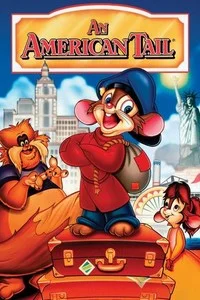 Critics found it "exquisitely animated" and appreciated its "sweet, melancholy, immigrant story." It's a reminder that 1986 wasn't just about live-action blockbusters.
Finally, at #21, Pretty in Pink holds a **75%** approval rating. This John Hughes-scripted teen comedy, though often debated for its ending, is largely celebrated for Molly Ringwald's "outstanding performance" and its "intelligent" approach to an old premise. It's a film that resonates even today, but the critical consensus here is notably less glowing than some of its contemporaries.Here's where this particular countdown gets really interesting, pulling from a decade that often gets categorized too neatly: the 1980s. What we're seeing in this segment, spanning from the tail-end of one entry into a diverse collection of films numbered #22 through #28, is a clear signal that critical acclaim isn't just about box office, or even genre. It's about lasting impact and a certain artistic integrity that holds up decades later.
The previous entry, which we only see the tail of, spotlights the John Hughes-esque era with [Pretty in Pink](https://www.rottentomatoes.com/celebrity/molly_ringwald) featuring 80s icons like [Molly Ringwald](https://www.rottentomatoes.com/celebrity/molly_ringwald), [Jon Cryer](https://www.rottentomatoes.com/celebrity/jon_cryer), [Andrew McCarthy](https://www.rottentomatoes.com/celebrity/andrew_mccarthy), and [Annie Potts](https://www.rottentomatoes.com/celebrity/annie_potts), under the direction of [Howard Deutch](https://www.rottentomatoes.com/celebrity/howie_deutch). It sets a tone before the list pivots into some truly remarkable and often surprising entries.
Critics found it "exquisitely animated" and appreciated its "sweet, melancholy, immigrant story." It's a reminder that 1986 wasn't just about live-action blockbusters.
Finally, at #21, Pretty in Pink holds a **75%** approval rating. This John Hughes-scripted teen comedy, though often debated for its ending, is largely celebrated for Molly Ringwald's "outstanding performance" and its "intelligent" approach to an old premise. It's a film that resonates even today, but the critical consensus here is notably less glowing than some of its contemporaries.Here's where this particular countdown gets really interesting, pulling from a decade that often gets categorized too neatly: the 1980s. What we're seeing in this segment, spanning from the tail-end of one entry into a diverse collection of films numbered #22 through #28, is a clear signal that critical acclaim isn't just about box office, or even genre. It's about lasting impact and a certain artistic integrity that holds up decades later.
The previous entry, which we only see the tail of, spotlights the John Hughes-esque era with [Pretty in Pink](https://www.rottentomatoes.com/celebrity/molly_ringwald) featuring 80s icons like [Molly Ringwald](https://www.rottentomatoes.com/celebrity/molly_ringwald), [Jon Cryer](https://www.rottentomatoes.com/celebrity/jon_cryer), [Andrew McCarthy](https://www.rottentomatoes.com/celebrity/andrew_mccarthy), and [Annie Potts](https://www.rottentomatoes.com/celebrity/annie_potts), under the direction of [Howard Deutch](https://www.rottentomatoes.com/celebrity/howie_deutch). It sets a tone before the list pivots into some truly remarkable and often surprising entries.
The Perfect Scores: Timeless Resonance
Among the films landing in this segment, two hit the coveted 100% on the Tomatometer. That's a rare feat, especially for movies that aren't fresh off the festival circuit. First up, at #23, is [A Room With a View](https://www.rottentomatoes.com/m/a_room_with_a_view_1985).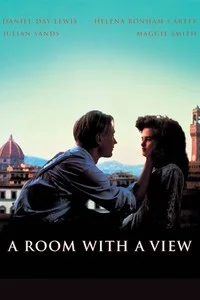 Directed by [James Ivory](https://www.rottentomatoes.com/celebrity/james_ivory), starring [Helena Bonham Carter](https://www.rottentomatoes.com/celebrity/helena_bonhamcarter), [Maggie Smith](https://www.rottentomatoes.com/celebrity/maggie_smith), [Julian Sands](https://www.rottentomatoes.com/celebrity/julian_sands), and [Denholm Elliott](https://www.rottentomatoes.com/celebrity/denholm_elliott), critics called it "an eminently entertaining comedy with an intellectual approach to love," despite "sanding off the hard edges of E.M. Foster novel." It speaks volumes about the film's craft and enduring appeal that it maintains such universal praise.
Then, at #24, we find [Round Midnight](https://www.rottentomatoes.com/m/round_midnight).
Directed by [James Ivory](https://www.rottentomatoes.com/celebrity/james_ivory), starring [Helena Bonham Carter](https://www.rottentomatoes.com/celebrity/helena_bonhamcarter), [Maggie Smith](https://www.rottentomatoes.com/celebrity/maggie_smith), [Julian Sands](https://www.rottentomatoes.com/celebrity/julian_sands), and [Denholm Elliott](https://www.rottentomatoes.com/celebrity/denholm_elliott), critics called it "an eminently entertaining comedy with an intellectual approach to love," despite "sanding off the hard edges of E.M. Foster novel." It speaks volumes about the film's craft and enduring appeal that it maintains such universal praise.
Then, at #24, we find [Round Midnight](https://www.rottentomatoes.com/m/round_midnight).
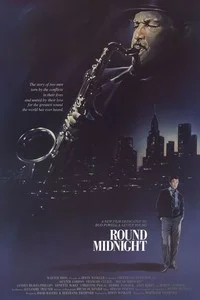 This [Bertrand Tavernier](https://www.rottentomatoes.com/celebrity/bertrand_tavernier) film, featuring [Dexter Gordon](https://www.rottentomatoes.com/celebrity/dexter_gordon), [François Cluzet](https://www.rottentomatoes.com/celebrity/francois_cluzet), [Gabrielle Haker](https://www.rottentomatoes.com/celebrity/gabrielle_haker), and [Sandra Reaves-Phillips](https://www.rottentomatoes.com/celebrity/sandra-reavesphillips), earned its perfect score for being "the rare jazz-inflected drama that matches the power of the music," largely driven by Gordon's "outstanding performance." These two films demonstrate that artistic ambition, whether period romance or a jazz drama, can truly transcend time.
Global Voices and Defining Debuts
The rest of the high-ranking entries here tell another story: one of diverse perspectives and directors making their mark. At #25, we get [Castle in the Sky](https://www.rottentomatoes.com/m/castle_in_the_sky), a masterpiece from [Hayao Miyazaki](https://www.rottentomatoes.com/celebrity/hayao_miyazaki)'s Studio Ghibli.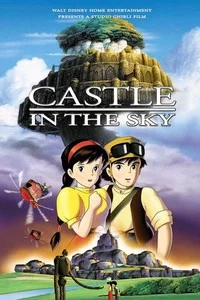 With a 96% Tomatometer score, critics note its "storytelling palette as rich and brilliant as its animation," perfectly encapsulating "Studio Ghibli’s unique strengths." It's a reminder of animation's power and Ghibli's consistent quality.
Close behind at #26 is [Mala Noche](https://www.rottentomatoes.com/m/mala_noche), scoring 96%.
With a 96% Tomatometer score, critics note its "storytelling palette as rich and brilliant as its animation," perfectly encapsulating "Studio Ghibli’s unique strengths." It's a reminder of animation's power and Ghibli's consistent quality.
Close behind at #26 is [Mala Noche](https://www.rottentomatoes.com/m/mala_noche), scoring 96%.
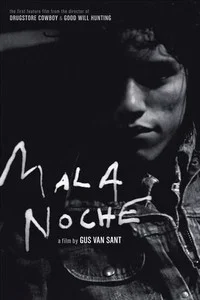 This "raw and gritty portrait of desire" stars [Tim Streeter](https://www.rottentomatoes.com/celebrity/tim-streeter), [Doug Cooeyate](https://www.rottentomatoes.com/celebrity/doug_cooeyate), and [Ray Monge](https://www.rottentomatoes.com/celebrity/ray-monge), and is celebrated for marking [Gus Van Sant](https://www.rottentomatoes.com/celebrity/gus_van_sant) as a director with "a gratifyingly personal touch." It’s an essential early work that foreshadowed a significant career.
John Woo's Hong Kong action classic, [A Better Tomorrow](https://www.rottentomatoes.com/m/better_tomorrow), lands at #27 with a 95%.
This "raw and gritty portrait of desire" stars [Tim Streeter](https://www.rottentomatoes.com/celebrity/tim-streeter), [Doug Cooeyate](https://www.rottentomatoes.com/celebrity/doug_cooeyate), and [Ray Monge](https://www.rottentomatoes.com/celebrity/ray-monge), and is celebrated for marking [Gus Van Sant](https://www.rottentomatoes.com/celebrity/gus_van_sant) as a director with "a gratifyingly personal touch." It’s an essential early work that foreshadowed a significant career.
John Woo's Hong Kong action classic, [A Better Tomorrow](https://www.rottentomatoes.com/m/better_tomorrow), lands at #27 with a 95%.
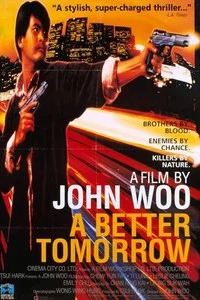 It's a foundational film for anyone interested in modern action cinema, showcasing [Ti Lung](https://www.rottentomatoes.com/celebrity/ti_lung), [Chow Yun-Fat](https://www.rottentomatoes.com/celebrity/chow_yunfat), [Leslie Cheung](https://www.rottentomatoes.com/celebrity/leslie_cheung), and [Emily Chu](https://www.rottentomatoes.com/celebrity/emily_chu) in what became a signature style for [John Woo](https://www.rottentomatoes.com/celebrity/john_woo). Its influence on subsequent filmmakers is undeniable.
Finally, at #28, we hit [She's Gotta Have It](https://www.rottentomatoes.com/m/shes_gotta_have_it), achieving 94%.
It's a foundational film for anyone interested in modern action cinema, showcasing [Ti Lung](https://www.rottentomatoes.com/celebrity/ti_lung), [Chow Yun-Fat](https://www.rottentomatoes.com/celebrity/chow_yunfat), [Leslie Cheung](https://www.rottentomatoes.com/celebrity/leslie_cheung), and [Emily Chu](https://www.rottentomatoes.com/celebrity/emily_chu) in what became a signature style for [John Woo](https://www.rottentomatoes.com/celebrity/john_woo). Its influence on subsequent filmmakers is undeniable.
Finally, at #28, we hit [She's Gotta Have It](https://www.rottentomatoes.com/m/shes_gotta_have_it), achieving 94%.
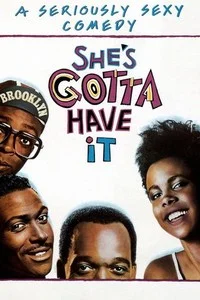 This film is rightly hailed for being [Spike Lee's](https://www.rottentomatoes.com/m/shes_gotta_have_it) "bracing first shot across Hollywood’s bow," setting "the template for the groundbreaking act to follow." It’s a vital entry in American independent cinema.
The Cult Classic with Critical Acclaim
Then there's the delightful outlier, sitting at #22: [Big Trouble in Little China](https://www.rottentomatoes.com/m/big_trouble_in_little_china).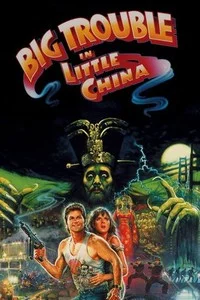 This [John Carpenter](https://www.rottentomatoes.com/celebrity/rip_haight) film, starring [Kurt Russell](https://www.rottentomatoes.com/celebrity/kurt_russell), [Kim Cattrall](https://www.rottentomatoes.com/celebrity/770912539), [Dennis Dun](https://www.rottentomatoes.com/celebrity/dennis_dun), and [James Hong](https://www.rottentomatoes.com/celebrity/james_hong), stands at 71%. The critics' consensus captures it perfectly: "Brimming with energy and packed with humor, *Big Trouble in Little China* distills kung fu B-movies as affectionately as it subverts them." It's not a perfect score, no, but 71% for a film that truly broke molds and built a passionate cult following shows a critical appreciation that's probably grown over time. It's a testament to genre bending when done right.
What this entire segment reveals isn't just a list of good movies; it's a testament to the diverse, vibrant, and often unexpected filmmaking that defined an era. From high-brow literary adaptations to indie debuts, anime epics to martial arts action and postmodern genre takes, the enduring quality of these films lies in their distinct artistic voices. Their lasting presence on lists like this isn't just about nostalgia; it’s about films that genuinely shifted cultural conversations and continue to resonate with audiences and critics alike. The 80s were more than just shoulder pads and synth-pop, it seems; they were a fertile ground for cinematic innovation that we're still talking about today.
This [John Carpenter](https://www.rottentomatoes.com/celebrity/rip_haight) film, starring [Kurt Russell](https://www.rottentomatoes.com/celebrity/kurt_russell), [Kim Cattrall](https://www.rottentomatoes.com/celebrity/770912539), [Dennis Dun](https://www.rottentomatoes.com/celebrity/dennis_dun), and [James Hong](https://www.rottentomatoes.com/celebrity/james_hong), stands at 71%. The critics' consensus captures it perfectly: "Brimming with energy and packed with humor, *Big Trouble in Little China* distills kung fu B-movies as affectionately as it subverts them." It's not a perfect score, no, but 71% for a film that truly broke molds and built a passionate cult following shows a critical appreciation that's probably grown over time. It's a testament to genre bending when done right.
What this entire segment reveals isn't just a list of good movies; it's a testament to the diverse, vibrant, and often unexpected filmmaking that defined an era. From high-brow literary adaptations to indie debuts, anime epics to martial arts action and postmodern genre takes, the enduring quality of these films lies in their distinct artistic voices. Their lasting presence on lists like this isn't just about nostalgia; it’s about films that genuinely shifted cultural conversations and continue to resonate with audiences and critics alike. The 80s were more than just shoulder pads and synth-pop, it seems; they were a fertile ground for cinematic innovation that we're still talking about today.
Source:
Bryce Marrero
·
https://editorial.rottentomatoes.com/guide/best-1986-movies-ranked-by-tomatometer/