
Ranking Cannes' Top Films by Critical Acclaim: The Palme d'Or, Annotated
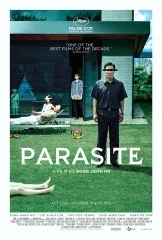
When director Bong Joon-ho, fresh off the triumph of his 2019 masterpiece Parasite, dismissed the Oscars as "very local," he wasn't wrong. He hit on a simple truth: America's premier film award, for all its pomp, largely remains a domestic affair. The global film conversation, however, often pivots around something far more universal: the Palme d’Or. This isn't some regional honor. The Palme d’Or is the top prize from the Cannes Film Festival, awarded annually by an international jury of film professionals. It consistently elevates cinema that transcends borders, reflecting an artistic ambition rarely confined to a single market. Each year, Cannes' discerning panel sifts through a highly curated selection of roughly 20 to 25 competing features. The victors showcase an incredible breadth of storytelling, from the introspective musicality of *All That Jazz* and the intimate, graphic romance of *Blue Is the Warmest Colour*, to potent political statements like *Fahrenheit 9/11*. Many in the industry consider it the ultimate international filmmaking achievement.
Our Methodology: The Palme d'Or by Tomatometer
For this particular list, we’re focusing exclusively on films that have won the Palme d’Or itself, specifically from 1955 onwards—the year the award officially adopted its iconic "Palme d'Or" moniker. This means we've excluded earlier winners, like *The Third Man*, *Gate of Hell*, or *The Wages of Fear*, which received the festival's top honor when it was known as the Grand Prix. It's a slightly convoluted history, as the Palme d’Or even reverted back to the Grand Prix title between 1964 and 1974 before its permanent return in 1975. Regardless, the selection since '55 still delivers an abundance of cinematic brilliance. We’ve ranked these films using their Tomatometer scores, providing a snapshot of critical consensus for these award-winning features. It’s a compelling way to revisit some favorites and perhaps unearth a few hidden gems you might have missed. Authored by Bryce Marrero, here's where the most critically acclaimed Palme d'Or winners stand.
#1
 99%
99%
99%
#2
 99%
99%
99%
#3
 98%
98%
98%
#4
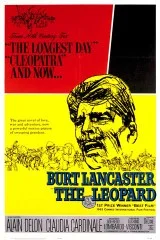 98%
98%
98%
#5
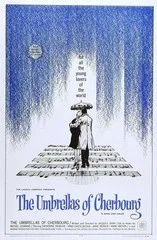 97%
97%
97%
#6
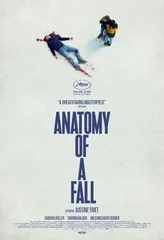 96%
96%
96%
#7
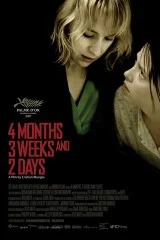 96%
96%
96%
#8
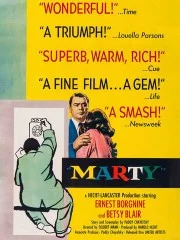 96%
96%
96%
#9
 96%
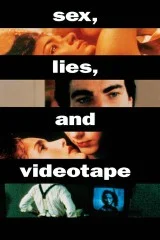
Starting off, before we even hit the formal countdown, there’s an intriguing entry from Steven Soderbergh that feels like a foundational text for an auteur. His feature directorial debut, *Sex, Lies, and Videotape*, stands as a masterclass in craft, particularly for a first-timer. Critics universally praised his early command, pulling together a strong cast, including James Spader and Andie MacDowell, with a script that dove deep into neurosis and human sexuality. The narrative centers on Ann (MacDowell), stuck in a relationship devoid of intimacy with her husband, John (Peter Gallagher), a lawyer who's clearly not winning any charm awards. It's a nuanced, mature film, and frankly, it set the tone for Soderbergh's remarkable career exploring complex human dynamics.
96%
Starting off, before we even hit the formal countdown, there’s an intriguing entry from Steven Soderbergh that feels like a foundational text for an auteur. His feature directorial debut, *Sex, Lies, and Videotape*, stands as a masterclass in craft, particularly for a first-timer. Critics universally praised his early command, pulling together a strong cast, including James Spader and Andie MacDowell, with a script that dove deep into neurosis and human sexuality. The narrative centers on Ann (MacDowell), stuck in a relationship devoid of intimacy with her husband, John (Peter Gallagher), a lawyer who's clearly not winning any charm awards. It's a nuanced, mature film, and frankly, it set the tone for Soderbergh's remarkable career exploring complex human dynamics.
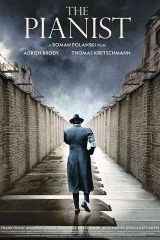 Garnering a **95%** on the Tomatometer, this is often cited as Polanski's standout work in years. Adrien Brody's performance, which won him an Oscar, grounds this "dramatically moving" adaptation of Władysław Szpilman's Holocaust memoir. It’s a harrowing, essential watch.
Right behind it, at **#11**, is Laurent Cantet's *The Class* (2008).
Garnering a **95%** on the Tomatometer, this is often cited as Polanski's standout work in years. Adrien Brody's performance, which won him an Oscar, grounds this "dramatically moving" adaptation of Władysław Szpilman's Holocaust memoir. It’s a harrowing, essential watch.
Right behind it, at **#11**, is Laurent Cantet's *The Class* (2008).
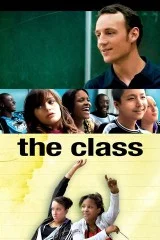 Another **95%** entry, this French film blends documentary aesthetics with dramatic storytelling. It offers a raw look at a Paris inner-city high school through the eyes of French language teacher François Marin, played by François Bégaudeau. The film feels less like a narrative and more like an observation, a powerful way to frame the future of France itself.
**#12** takes us back in time to 1960 with Federico Fellini's *La Dolce Vita*.
Another **95%** entry, this French film blends documentary aesthetics with dramatic storytelling. It offers a raw look at a Paris inner-city high school through the eyes of French language teacher François Marin, played by François Bégaudeau. The film feels less like a narrative and more like an observation, a powerful way to frame the future of France itself.
**#12** takes us back in time to 1960 with Federico Fellini's *La Dolce Vita*.
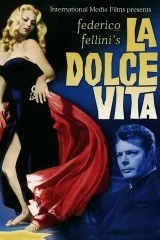 Also hitting **95%** , this cinematic landmark remains "riveting," as the critics put it, despite—or perhaps *because* of—its considerable runtime. Marcello Mastroianni's portrayal of a restless reporter adrift in Rome still resonates. It’s an epic exploration of existential ennui, stunningly stylish, and a cornerstone of world cinema.
Then, at **#13**, we have Wim Wenders' *Paris, Texas* (1984).
Also hitting **95%** , this cinematic landmark remains "riveting," as the critics put it, despite—or perhaps *because* of—its considerable runtime. Marcello Mastroianni's portrayal of a restless reporter adrift in Rome still resonates. It’s an epic exploration of existential ennui, stunningly stylish, and a cornerstone of world cinema.
Then, at **#13**, we have Wim Wenders' *Paris, Texas* (1984).
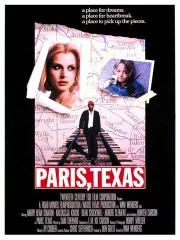 Maintaining the **95%** score, this quiet, moving film is often described as a modern Western. Harry Dean Stanton’s Travis Henderson, wandering out of the desert with no memory, leads a narrative that "captures a place and people like never before (or after)." It's a film that leaves you thinking long after the credits roll.
Pushing slightly higher, **#14** brings us Mike Leigh's *Secrets & Lies* (1996).
Maintaining the **95%** score, this quiet, moving film is often described as a modern Western. Harry Dean Stanton’s Travis Henderson, wandering out of the desert with no memory, leads a narrative that "captures a place and people like never before (or after)." It's a film that leaves you thinking long after the credits roll.
Pushing slightly higher, **#14** brings us Mike Leigh's *Secrets & Lies* (1996).
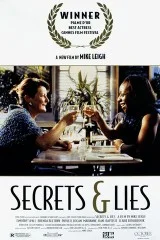 This film reaches **96%** , a testament to Leigh's powerful direction and an ensemble cast, including Brenda Blethyn and Marianne Jean-Baptiste, who deliver "incredible acting." Its exploration of identity and family secrets, particularly when Hortense seeks out her birth mother, handles complex social issues with an impressive delicacy.
Dropping just a bit to **#15**, we find Francis Ford Coppola's *The Conversation* (1974).
This film reaches **96%** , a testament to Leigh's powerful direction and an ensemble cast, including Brenda Blethyn and Marianne Jean-Baptiste, who deliver "incredible acting." Its exploration of identity and family secrets, particularly when Hortense seeks out her birth mother, handles complex social issues with an impressive delicacy.
Dropping just a bit to **#15**, we find Francis Ford Coppola's *The Conversation* (1974).
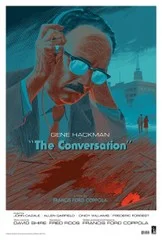 This 94% paranoid thriller is a fascinating inclusion, especially for anyone tracking technology's footprint. The critical consensus points out its "remarkably advanced arguments about technology's role in society," which resonate even more strongly today than they did in the '70s. Gene Hackman's performance as a surveillance expert consumed by his work is nothing short of brilliant.
The list takes a contemporary turn at **#16** with Sean Baker's *Anora* (2024).
This 94% paranoid thriller is a fascinating inclusion, especially for anyone tracking technology's footprint. The critical consensus points out its "remarkably advanced arguments about technology's role in society," which resonate even more strongly today than they did in the '70s. Gene Hackman's performance as a surveillance expert consumed by his work is nothing short of brilliant.
The list takes a contemporary turn at **#16** with Sean Baker's *Anora* (2024).
 Landing at **93%** , this Palme d'Or winner is a fresh face on the list, described as a "romantic drama on the bleeding edge." Mikey Madison's "brassy performance" drives this "audacious, thrilling, and comedic variation on a modern day Cinderella story." Its immediate inclusion here speaks volumes about its impact.
Another **93%** film at **#17** is Michael Haneke's *Amour* (2012).
Landing at **93%** , this Palme d'Or winner is a fresh face on the list, described as a "romantic drama on the bleeding edge." Mikey Madison's "brassy performance" drives this "audacious, thrilling, and comedic variation on a modern day Cinderella story." Its immediate inclusion here speaks volumes about its impact.
Another **93%** film at **#17** is Michael Haneke's *Amour* (2012).
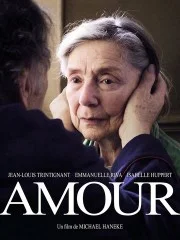 This one's a gut punch, an "honest, heartwrenching depiction of deep love and responsibility." Starring Jean-Louis Trintignant and Emmanuelle Riva as retired music teachers facing profound challenges in their relationship, it's a film that demands your full emotional investment. Haneke doesn't pull any punches, which is exactly why critics lauded it.
Finally, at **#18**, a film that's arguably one of the most culturally significant entries here: Quentin Tarantino's *Pulp Fiction* (1994).
This one's a gut punch, an "honest, heartwrenching depiction of deep love and responsibility." Starring Jean-Louis Trintignant and Emmanuelle Riva as retired music teachers facing profound challenges in their relationship, it's a film that demands your full emotional investment. Haneke doesn't pull any punches, which is exactly why critics lauded it.
Finally, at **#18**, a film that's arguably one of the most culturally significant entries here: Quentin Tarantino's *Pulp Fiction* (1994).
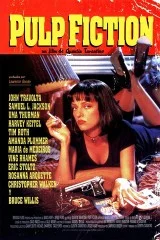 Clocking in at **92%** , it's the lowest score in this particular chunk of the list, which might surprise some given its monumental impact. Yet, the consensus nails it, calling it "a cinematic shot of adrenaline" that cemented Tarantino's status. Its non-linear crime tales and iconic dialogue, delivered by stars like John Travolta and Samuel L. Jackson, reshaped filmmaking for a generation. It’s an undeniable force, regardless of where it lands numerically.Okay, so we've reached the final entries in this countdown, and what strikes you immediately is just how tight the top tier is. We're talking about films clustered between 90% and 92% on the Tomatometer. It’s a slim margin, which frankly, makes you wonder about the precise differentiation at this level, but it also underscores the sheer quality of these selections. You don't get here without leaving a significant mark on critics.
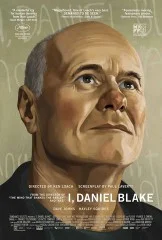 , hitting a 92% Tomatometer score. This isn't just another drama; it’s a searing look at the UK welfare system, a "powerfully populist filmography" chapter as the critics put it, with Dave Johns delivering a poignant performance as the titular carpenter. The film isn't afraid to confront social failings directly, which Loach consistently does. Then, at #22, we find Loach again with 2006's *The Wind That Shakes the Barley*
 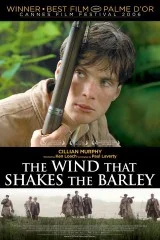 , sitting at 90%. This historical drama, starring Cillian Murphy, offers a stark, uncompromising view of the Irish War of Independence. It's bleak, certainly, but critics highlighted its "gorgeous cinematography and tight pacing" alongside Murphy's performance. Two films, decades apart, yet both reflecting Loach's unwavering commitment to depicting the human cost of political realities. It says something about his singular vision, doesn't it?
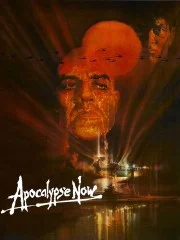 from 1979, with a 91% rating. Francis Ford Coppola's hallucinatory Vietnam War epic, featuring Martin Sheen and Marlon Brando, is simply cinema at its most audacious. "A voyage to hell where the journey is more satisfying than the destination," perfectly sums up its visceral impact. It's a film that defines an era, and its place here is well-earned, reminding us that some works just transcend time.
Then you hit #21, and suddenly we're in entirely different territory: Julia Ducournau's *Titane*
from 1979, with a 91% rating. Francis Ford Coppola's hallucinatory Vietnam War epic, featuring Martin Sheen and Marlon Brando, is simply cinema at its most audacious. "A voyage to hell where the journey is more satisfying than the destination," perfectly sums up its visceral impact. It's a film that defines an era, and its place here is well-earned, reminding us that some works just transcend time.
Then you hit #21, and suddenly we're in entirely different territory: Julia Ducournau's *Titane* 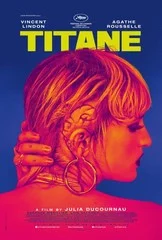 from 2021, scoring 90%. If you haven't seen it, it's a wild ride. Critics called it "thrillingly provocative and original," and that's an understatement. Ducournau, as a writer-director, has a distinct, disturbing vision that's clearly resonating. This film isn't for everyone, but its inclusion highlights a willingness to acknowledge bold, boundary-pushing contemporary cinema alongside established classics. That's a good sign for any curated list, honestly.
Rounding out this group at #23 is Apichatpong Weerasethakul's 2010 Palme d'Or winner, *Uncle Boonmee Who Can Recall His Past Lives*
from 2021, scoring 90%. If you haven't seen it, it's a wild ride. Critics called it "thrillingly provocative and original," and that's an understatement. Ducournau, as a writer-director, has a distinct, disturbing vision that's clearly resonating. This film isn't for everyone, but its inclusion highlights a willingness to acknowledge bold, boundary-pushing contemporary cinema alongside established classics. That's a good sign for any curated list, honestly.
Rounding out this group at #23 is Apichatpong Weerasethakul's 2010 Palme d'Or winner, *Uncle Boonmee Who Can Recall His Past Lives* 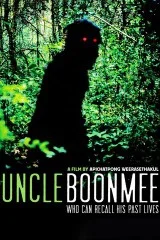 , also at 90%. It's "languorous and deeply enigmatic," as its consensus states, offering an "original take on the ghosts that haunt us." This film is a stark contrast to the visceral nature of *Titane* or the historical weight of Loach's work, yet it shares that common thread of profound human exploration, just through a more meditative, spiritual lens.
96%
Top Films: A Critical Dive into Numbers 10-18
Now, let's jump into the actual countdown. What's striking here is the sheer consistency in critical acclaim across decades, with multiple films clustered around the same high scores. It suggests a certain critical consensus around films that transcend genre and era. We kick off at **#10** with Roman Polanski's *The Pianist* (2002).
Garnering a **95%** on the Tomatometer, this is often cited as Polanski's standout work in years. Adrien Brody's performance, which won him an Oscar, grounds this "dramatically moving" adaptation of Władysław Szpilman's Holocaust memoir. It’s a harrowing, essential watch.
Right behind it, at **#11**, is Laurent Cantet's *The Class* (2008).
Another **95%** entry, this French film blends documentary aesthetics with dramatic storytelling. It offers a raw look at a Paris inner-city high school through the eyes of French language teacher François Marin, played by François Bégaudeau. The film feels less like a narrative and more like an observation, a powerful way to frame the future of France itself.
**#12** takes us back in time to 1960 with Federico Fellini's *La Dolce Vita*.
Also hitting **95%** , this cinematic landmark remains "riveting," as the critics put it, despite—or perhaps *because* of—its considerable runtime. Marcello Mastroianni's portrayal of a restless reporter adrift in Rome still resonates. It’s an epic exploration of existential ennui, stunningly stylish, and a cornerstone of world cinema.
Then, at **#13**, we have Wim Wenders' *Paris, Texas* (1984).
Maintaining the **95%** score, this quiet, moving film is often described as a modern Western. Harry Dean Stanton’s Travis Henderson, wandering out of the desert with no memory, leads a narrative that "captures a place and people like never before (or after)." It's a film that leaves you thinking long after the credits roll.
Pushing slightly higher, **#14** brings us Mike Leigh's *Secrets & Lies* (1996).
This film reaches **96%** , a testament to Leigh's powerful direction and an ensemble cast, including Brenda Blethyn and Marianne Jean-Baptiste, who deliver "incredible acting." Its exploration of identity and family secrets, particularly when Hortense seeks out her birth mother, handles complex social issues with an impressive delicacy.
Dropping just a bit to **#15**, we find Francis Ford Coppola's *The Conversation* (1974).
This 94% paranoid thriller is a fascinating inclusion, especially for anyone tracking technology's footprint. The critical consensus points out its "remarkably advanced arguments about technology's role in society," which resonate even more strongly today than they did in the '70s. Gene Hackman's performance as a surveillance expert consumed by his work is nothing short of brilliant.
The list takes a contemporary turn at **#16** with Sean Baker's *Anora* (2024).
Landing at **93%** , this Palme d'Or winner is a fresh face on the list, described as a "romantic drama on the bleeding edge." Mikey Madison's "brassy performance" drives this "audacious, thrilling, and comedic variation on a modern day Cinderella story." Its immediate inclusion here speaks volumes about its impact.
Another **93%** film at **#17** is Michael Haneke's *Amour* (2012).
This one's a gut punch, an "honest, heartwrenching depiction of deep love and responsibility." Starring Jean-Louis Trintignant and Emmanuelle Riva as retired music teachers facing profound challenges in their relationship, it's a film that demands your full emotional investment. Haneke doesn't pull any punches, which is exactly why critics lauded it.
Finally, at **#18**, a film that's arguably one of the most culturally significant entries here: Quentin Tarantino's *Pulp Fiction* (1994).
Clocking in at **92%** , it's the lowest score in this particular chunk of the list, which might surprise some given its monumental impact. Yet, the consensus nails it, calling it "a cinematic shot of adrenaline" that cemented Tarantino's status. Its non-linear crime tales and iconic dialogue, delivered by stars like John Travolta and Samuel L. Jackson, reshaped filmmaking for a generation. It’s an undeniable force, regardless of where it lands numerically.Okay, so we've reached the final entries in this countdown, and what strikes you immediately is just how tight the top tier is. We're talking about films clustered between 90% and 92% on the Tomatometer. It’s a slim margin, which frankly, makes you wonder about the precise differentiation at this level, but it also underscores the sheer quality of these selections. You don't get here without leaving a significant mark on critics.
The Political and the Profound
Two entries from legendary British director Ken Loach land squarely in this concluding segment, painting a clear picture of his enduring influence. At #19, there's 2016's *I, Daniel Blake*, hitting a 92% Tomatometer score. This isn't just another drama; it’s a searing look at the UK welfare system, a "powerfully populist filmography" chapter as the critics put it, with Dave Johns delivering a poignant performance as the titular carpenter. The film isn't afraid to confront social failings directly, which Loach consistently does. Then, at #22, we find Loach again with 2006's *The Wind That Shakes the Barley* , sitting at 90%. This historical drama, starring Cillian Murphy, offers a stark, uncompromising view of the Irish War of Independence. It's bleak, certainly, but critics highlighted its "gorgeous cinematography and tight pacing" alongside Murphy's performance. Two films, decades apart, yet both reflecting Loach's unwavering commitment to depicting the human cost of political realities. It says something about his singular vision, doesn't it?
Enduring Classics and Provocative Moderns
Nestled among these, at #20, is the monumental *Apocalypse Now* from 1979, with a 91% rating. Francis Ford Coppola's hallucinatory Vietnam War epic, featuring Martin Sheen and Marlon Brando, is simply cinema at its most audacious. "A voyage to hell where the journey is more satisfying than the destination," perfectly sums up its visceral impact. It's a film that defines an era, and its place here is well-earned, reminding us that some works just transcend time.
Then you hit #21, and suddenly we're in entirely different territory: Julia Ducournau's *Titane* from 2021, scoring 90%. If you haven't seen it, it's a wild ride. Critics called it "thrillingly provocative and original," and that's an understatement. Ducournau, as a writer-director, has a distinct, disturbing vision that's clearly resonating. This film isn't for everyone, but its inclusion highlights a willingness to acknowledge bold, boundary-pushing contemporary cinema alongside established classics. That's a good sign for any curated list, honestly.
Rounding out this group at #23 is Apichatpong Weerasethakul's 2010 Palme d'Or winner, *Uncle Boonmee Who Can Recall His Past Lives* , also at 90%. It's "languorous and deeply enigmatic," as its consensus states, offering an "original take on the ghosts that haunt us." This film is a stark contrast to the visceral nature of *Titane* or the historical weight of Loach's work, yet it shares that common thread of profound human exploration, just through a more meditative, spiritual lens.