Nintendo's Box Office Magic: Why Critic-Proof Mario Films Signal a New Era for IP Adaptation
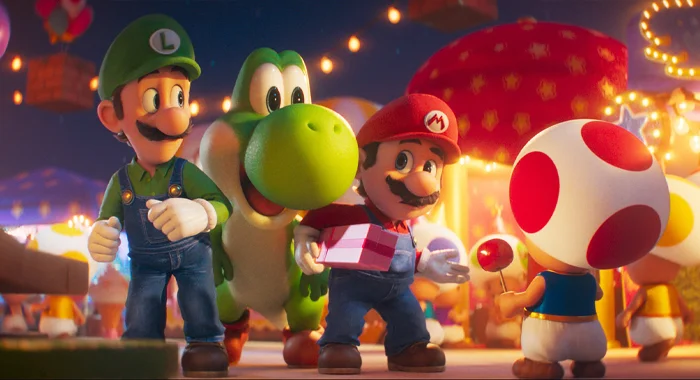
Here's the thing about the box office numbers coming in for The Super Mario Galaxy Movie: they shouldn't be surprising anyone in the entertainment industry. The sequel, which just snagged the biggest opening weekend of 2026 at $130.9 million, is doing exactly what its predecessor did. It's defying critical indifference with an absolute avalanche of audience enthusiasm. While the Tomatometer score for Galaxy sits at a rather bleak 43% – even lower than the 2023 original's 59% – its Popcornmeter is still holding strong at a "Verified Hot" 89%. This isn't an anomaly; it's a deliberate, highly successful strategy in action, and it offers a blueprint for how to turn beloved video game IP into cinematic gold.
The first animated Super Mario Bros. Movie, a joint venture between Nintendo, Universal Pictures, and Illumination, already proved this model works. Released in 2023, it shrugged off critical divisions to achieve a staggering $1.36 billion globally, buoyed by a 95% audience score. Compare that to the infamous 1993 live-action attempt, widely considered a colossal misstep, and you start to see a clear evolution in how studios approach these adaptations. It's a tale of two eras: one where Hollywood tried to graft an IP onto its own sensibilities, and another where the IP's intrinsic appeal and fanbase are placed front and center.
What's truly significant here isn't just that the films are making money; it's *how* they're making money. They've found a sweet spot by leaning hard into what their core audience wants: a vibrant, visually rich celebration of the Mario universe. Forget "Shakespeare," as one audience member put it; people showed up "to have a good time" with their kids. This isn't about groundbreaking narrative or deep character studies; it’s about spectacle, nostalgia, and sheer, unadulterated fun.
The Power of Nostalgia and Fan Service Done Right
The audience reviews for The Super Mario Galaxy Movie paint a vivid picture of why this approach resonates so deeply. Repeatedly, fans talk about "nostalgia hitting hard," "smiling and laughing at almost every moment," and the movie feeling like "a dream come true for Nintendo fans." For many, particularly those like Alejandro P, who's been playing Mario games for "as long as I can remember," the film is a "celebration of 40 years of Mario history."
 59%
59%
 95%
95%
 43%
89%
43%
89%
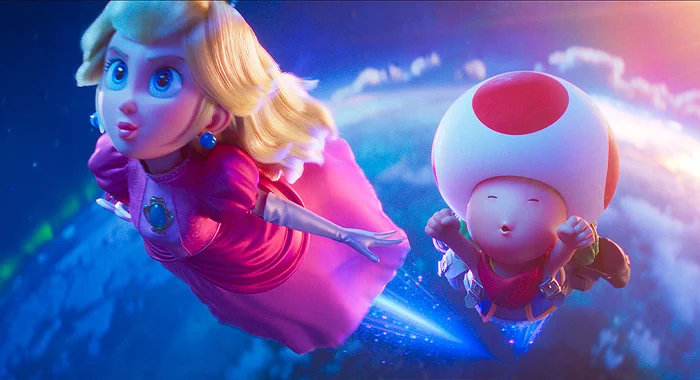
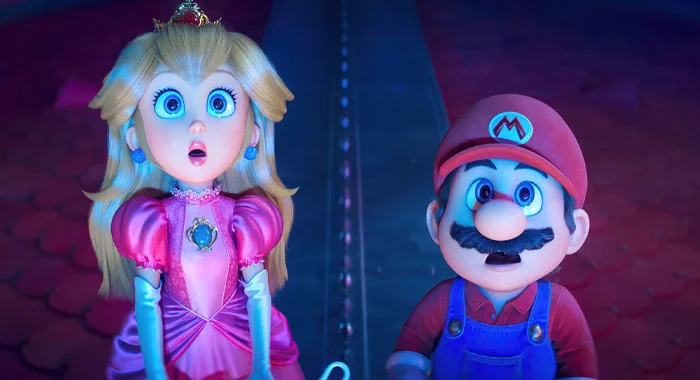
The films are packed with "Easter eggs, cameos and references" that necessitate repeat viewings for some fans. They also elevate key characters, with Princess Peach and Luigi getting more development, and new additions like Rosalina (voiced by Brie Larson) garnering praise. Jack Black’s Bowser continues to be a highlight. It's a formula that delivers on a very specific promise: a vibrant, authentic-feeling Nintendo experience for fans, young and old.
And let's not overlook the family angle. Reviews frequently mention kids "laughing throughout" and parents enjoying the experience alongside them. One parent, Amanda W, called it a "perfect kids movie" that wasn't "too long and not scary." This dual appeal – deeply satisfying for adult fans and thoroughly entertaining for children – is a potent combination that drives massive attendance and repeat viewings.
The Critical Disconnect: A Feature, Not a Bug?
So, why do critics continue to "mostly fall flat" on these movies? The source article doesn't detail specific critical complaints, but the audience reviews offer some clues. Ian W, while enjoying the film, acknowledged the "narrative is a bit messy and all over the place, lacking focus." Another, Galaxycap, felt it was "very rushed" and that only "10% of the source material was used" from the specific "Galaxy" games, suggesting it felt more like "The Super Mario Bros. Movie 2."
It’s easy to assume critics simply don't "get" the fan appeal, but that's too simplistic. What's more likely is that their evaluation criteria are fundamentally different. A film critic typically looks for nuanced storytelling, thematic depth, character arcs that transcend archetypes, and innovative cinematic techniques. The Mario films, by design, prioritize spectacle, pace, and direct fidelity to the game's aesthetic and fan expectations. They're built for a different kind of enjoyment, one that's less about traditional film analysis and more about pure, unadulterated escapism and wish fulfillment.
Which raises the question: does critical reception even matter for Nintendo and its partners at this point? When you're racking up hundreds of millions at the box office and generating overwhelmingly positive audience scores, a low critical rating becomes largely irrelevant. It's a clear signal that for certain mega-franchises, the audience's direct sentiment and spending habits are the ultimate arbiters of success.
Beyond Mario: A Playbook for High-Value IP
This isn't just about Mario. This dynamic between critical disinterest and audience fervor for an IP-driven product is something companies across tech and entertainment should be observing closely. The Nintendo-Universal-Illumination partnership has effectively crafted a blueprint for adapting high-value intellectual property:
- **Know Your Audience:** These films are unapologetically for Mario fans and families. Every decision, from visual style to character inclusion and Easter eggs, serves that demographic.
- **Prioritize Authenticity:** The animated approach, handled by Illumination, allows for a faithful recreation of the vibrant, fantastical worlds of the games, sidestepping the uncanny valley or tonal inconsistencies that often plague live-action adaptations of cartoonish IPs.
- **Embrace Nostalgia as a Core Component:** Not just an add-on, but a foundational element of the experience. It ensures older fans connect deeply, while newer generations are captivated by the energy.
- **Focus on World-Building:** The mention of "surprise characters" and hints at future "world-building" in audience reviews suggests a long-term strategy, creating anticipation for an expanded cinematic universe.
The success of the Mario films isn't just a win for Nintendo; it's a profound statement about the evolving nature of entertainment consumption and evaluation. In an era where direct fan engagement and massive theatrical openings define success for many blockbuster properties, the traditional critical lens, while still valuable, carries less commercial weight than it once did. For any company sitting on a goldmine of beloved IP, the message from the Mushroom Kingdom is clear: give the people what they already love, package it beautifully, and they will come. And they'll keep coming, no matter what the critics say.