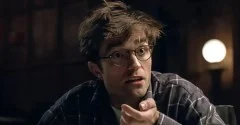
 Robert Pattinson's new film, *The Drama*, just landed in theaters, putting him opposite Zendaya. This isn't just another project for the actor; it's a testament to one of the more fascinating career reinventions we've seen in Hollywood. Remember when he was simply "that sparkly vampire guy"? Well, a quick glance at his Tomatometer scores tells a very different story today. He didn't just escape the shadow of *Twilight*; he consciously crafted a respected, diverse filmography.
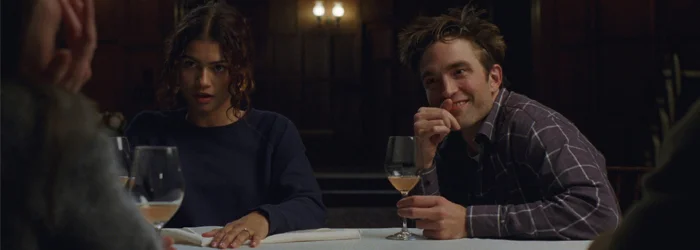
From Teen Idol to Arthouse Auteur
It's hard to overstate the precarious position Pattinson found himself in post-*Twilight*. He openly mocked the very franchise he was promoting, a move that felt both refreshing and a little brazen. He made enough money by *New Moon* to essentially never work again, but he clearly wanted more. The threat of being perpetually remembered as a "pasty sparkling vegetarian vampire" was very real, a fate that's crushed plenty of young actors. Yet, he pulled off a remarkable escape. His strategy? Dive headfirst into arthouse cinema. He sought out challenging directors: David Cronenberg gave him *Cosmopolis* and *Maps to the Stars*. Anton Corbijn cast him in *Life*. Werner Herzog tapped him for *Queen of the Desert*, and David Michôd put him in the dystopian western *The Rover*. True, not all of these were these directors' strongest works—Herzog's *Queen of the Desert* was notably one of his weaker efforts. But what they *did* do was showcase Pattinson as a committed, often raw and unpredictable performer. He was chipping away at the teen idol image, piece by piece.The Breakthrough: Good Time and Beyond
The real turning point, however, came in 2017 with the Safdie brothers' *Good Time*. That film was a visceral assault, much like their later *Uncut Gems*, creating an empathetic character caught in a whirlwind of frantic action. *Good Time* solidified Pattinson's status as an indie hero. The fact that James Gray's acclaimed *The Lost City of Z* also came out around the same time certainly didn't hurt. He kept that momentum going into 2019 with Claire Denis' thought-provoking *High Life* and Robert Eggers' unsettling *The Lighthouse*. Now, Pattinson has carved out a fascinating niche. He's proven he can command a big blockbuster like 2022's *The Batman*, yet still pursue intriguing, often challenging projects. He starred in the Netflix thriller *The Devil All the Time* opposite Tom Holland, is set for Bong Joon Ho's sci-fi/comedy *Mickey 17*, and has Lynne Ramsey’s *Die My Love* coming up. Critics are calling Ramsey's drama a "roller coaster of raw emotions," which feels perfectly on brand for his post-*Twilight* choices.Robert Pattinson's Top-Rated Films
This journey from teen heartthrob to acclaimed actor is reflected clearly in his filmography's critical reception. Here's a look at Robert Pattinson's movies, ranked by their Tomatometer scores. It's an impressive list, even if his number one entry is a testament to his versatility as much as his leading man status.
#1
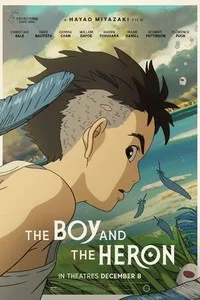
 96%
96%
96%
#2
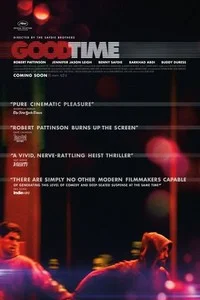 91%
91%
91%
#3
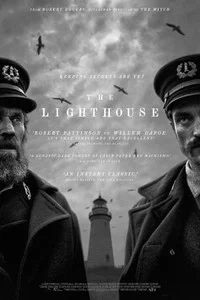 90%
90%
90%
#4
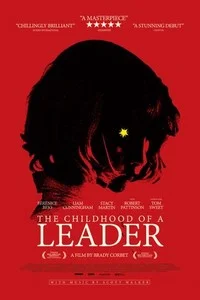 90%
90%
90%
#5
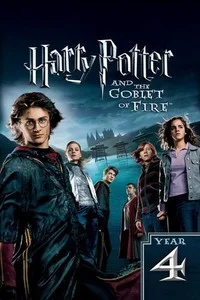 88%
88%
88%
#6
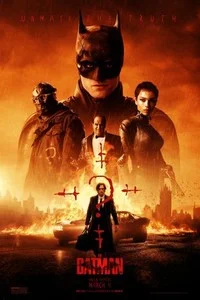 85%
85%
85%
#7
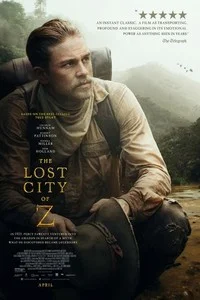 85%
85%
85%
#8
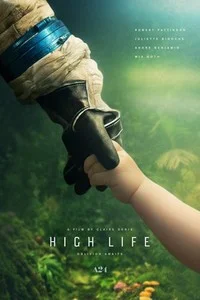 83%
83%
83%
#9
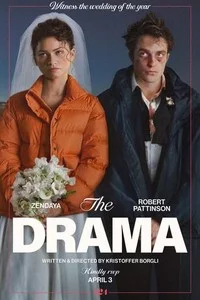 81%
81%
81%
#10
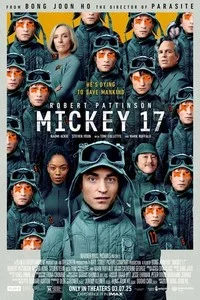 78%
78%
When you start looking at the next tier of his filmography, what really jumps out is Robert Pattinson's knack for working with serious directors – often multiple times. It’s a clear strategy, and one that’s largely paid off, even if it doesn't always guarantee blockbuster critical acclaim.
78%
The Auteur Collaborations
Take Die My Love, for example. Slated for 2025, it's already sitting pretty at #11 with a 74% Tomatometer score, gifting Jennifer Lawrence a "vivid role" alongside Pattinson, LaKeith Stanfield, and Sissy Spacek, under the direction of Lynne Ramsay. `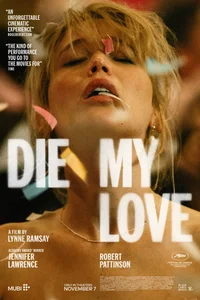 ` That's a strong statement of intent, landing high on the list even before release. It’s a frenzied depiction, according to critics, and while "stylistically mannered," it’s already proving a winner.
Then there’s his work with David Michôd on The King (71%) `
` That's a strong statement of intent, landing high on the list even before release. It’s a frenzied depiction, according to critics, and while "stylistically mannered," it’s already proving a winner.
Then there’s his work with David Michôd on The King (71%) `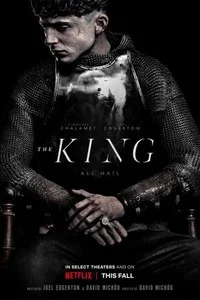 `, where his performance helps elevate a period drama with strong source material. Michôd clearly liked what he saw, bringing Pattinson back for The Rover (#15, 67%) `
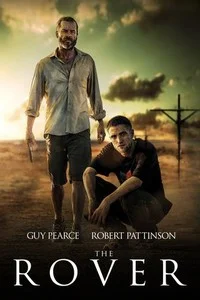 `, a tension-filled film that critics felt "overcomes its narrative faults through sheer watchability," largely thanks to the "engaging performances" from Pattinson and Guy Pearce.
And of course, we can't forget Christopher Nolan’s Tenet, which lands at #13 with a solid 70%. `
`, a tension-filled film that critics felt "overcomes its narrative faults through sheer watchability," largely thanks to the "engaging performances" from Pattinson and Guy Pearce.
And of course, we can't forget Christopher Nolan’s Tenet, which lands at #13 with a solid 70%. `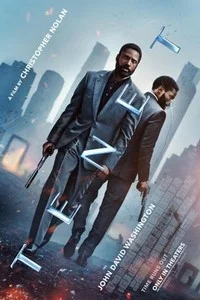 ` It’s precisely what audiences expect from Nolan: "a visually dazzling puzzle" and "cerebral spectacle," with Pattinson playing a key role in that grand ambition alongside John David Washington.
This isn’t a one-off for directors either; David Cronenberg cast Pattinson in two entries here: Cosmopolis (#14, 67%) `
` It’s precisely what audiences expect from Nolan: "a visually dazzling puzzle" and "cerebral spectacle," with Pattinson playing a key role in that grand ambition alongside John David Washington.
This isn’t a one-off for directors either; David Cronenberg cast Pattinson in two entries here: Cosmopolis (#14, 67%) `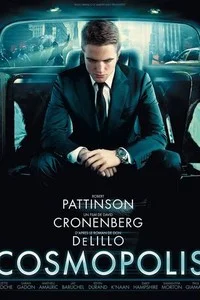 ` and Maps to the Stars (#18, 63%) `
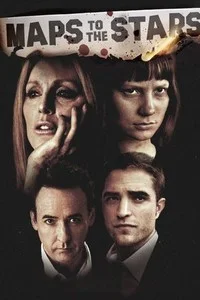 `. Both are described as distinctively Cronenberg — "psychologically complex" for the former and offering "enough bite" for fans despite being "narratively unwieldy" for the latter. It’s a pattern that shows a real commitment to challenging, often arthouse projects, especially after *Twilight*.
Exploring the Middle Ground
Outside those specific director pairings, we see a clutch of films hovering in the mid-60s. Damsel (#16, 67%), directed by David Zellner and Nathan Zellner, `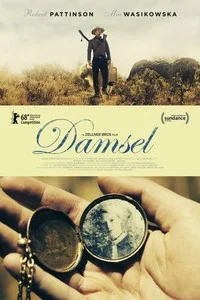 ` injected the western genre with humor, though its "stately pace may frustrate." There's The Devil All the Time (#17, 65%) `
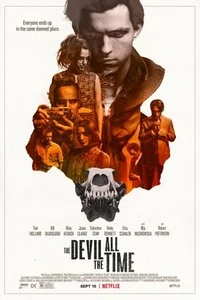 `, a "harrowing" watch counterbalanced by a "stellar cast" including Tom Holland and Pattinson. Then Life (#19, 63%) `
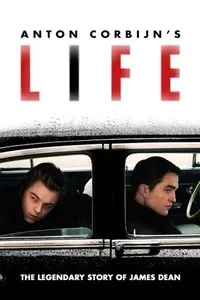 `, an Anton Corbijn film that, despite potentially frustrating James Dean biopic purists, was "well-acted" and "diverting."
Even Water for Elephants (#20, 60%) `
`, an Anton Corbijn film that, despite potentially frustrating James Dean biopic purists, was "well-acted" and "diverting."
Even Water for Elephants (#20, 60%) `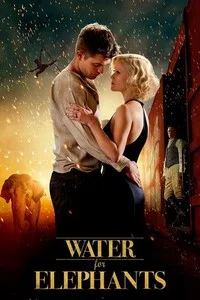 `, directed by Francis Lawrence and co-starring Reese Witherspoon and Christoph Waltz, manages to just clear the fresh threshold, even if critics felt it "suffers from a pronounced lack of chemistry." These films, while not always universally acclaimed, solidify his reputation for taking on varied, often character-driven roles.
The Twilight Effect
Here's the thing: while Pattinson has consistently chased critically respected projects, his most commercially impactful roles, the *Twilight* saga, sit at the very bottom of this list. The Twilight Saga: Breaking Dawn Part 2 (#21) `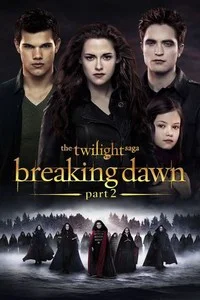 ` scraped by with 49%, with critics conceding it was "the most entertaining *Twilight*," but still not enough for non-fans. The original Twilight (#22) `
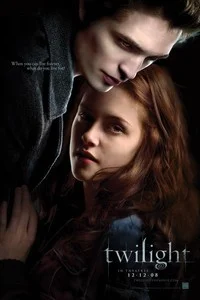 ` fared even worse at 48%, deemed to have "lost much of its bite." The fragment cuts off just as The Twilight Saga: Eclipse (#23) `
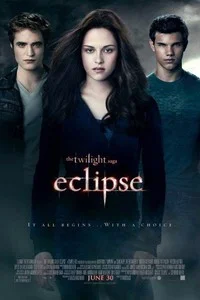 ` begins, but it's safe to say it's in a similar critical boat.
What this means for Pattinson's overall filmography is interesting: a clear divide between the massive commercial success of *Twilight* (with its lukewarm critical reception) and his subsequent, often riskier, critically appreciated collaborations with established auteurs. It shows a performer actively shaping his career, rather than just riding the wave of his initial fame.Alright, let's unpack these final entries. What we're seeing here is a collection of critically underwhelming films, and it's hard to miss the dominant theme: *The Twilight Saga* and its principal actors. This isn't just a coincidence; it reflects a period where a massively popular franchise consistently failed to impress critics, dragging down other projects featuring its stars.
` begins, but it's safe to say it's in a similar critical boat.
What this means for Pattinson's overall filmography is interesting: a clear divide between the massive commercial success of *Twilight* (with its lukewarm critical reception) and his subsequent, often riskier, critically appreciated collaborations with established auteurs. It shows a performer actively shaping his career, rather than just riding the wave of his initial fame.Alright, let's unpack these final entries. What we're seeing here is a collection of critically underwhelming films, and it's hard to miss the dominant theme: *The Twilight Saga* and its principal actors. This isn't just a coincidence; it reflects a period where a massively popular franchise consistently failed to impress critics, dragging down other projects featuring its stars.
The Twilight Effect: Critics vs. Fans
It’s telling how many entries on this list hail from *The Twilight Saga* itself. From *Eclipse* to *Breaking Dawn Part 1*, the critical reception paints a consistent picture of a franchise that, while a box office juggernaut, struggled to find critical approval. Take Eclipse, for example. At 46% on the Tomatometer , it's the highest-rated *Twilight* film in this batch, yet critics still found it "stuffed with characters and overly reliant on uninspired dialogue." Even with an "improved blend of romance and action fantasy," it couldn't win over new audiences. [Kristen Stewart](https://www.rottentomatoes.com/celebrity/kristen_jaymes_stewart), [Robert Pattinson](https://www.rottentomatoes.com/celebrity/robert_pattinson), and [Taylor Lautner](https://www.rottentomatoes.com/celebrity/taylor_lautner) were all there, directed by [David Slade](https://www.rottentomatoes.com/celebrity/david_slade), but the core issues remained.
Then you hit entries like *The Twilight Saga: New Moon* at #24, hitting a dismal 28% . Critics skewered its "slow pace, relentlessly downcast tone, and excessive length." It was, as the consensus put it, "strictly for fans." The same goes for #27, *The Twilight Saga: Breaking Dawn Part 1*, which scored 26% , described as "slow, joyless, and loaded with unintentionally humorous moments." Directed by [Bill Condon](https://www.rottentomatoes.com/celebrity/bill_condon), even with the return of [Kristen Stewart](https://www.rottentomatoes.com/celebrity/kristen_jaymes_stewart) and [Robert Pattinson](https://www.rottentomatoes.com/celebrity/robert_pattinson), it was a similar story.
What this suggests is a deep chasm between what the franchise offered its devoted audience and what critics expected from mainstream cinema. The fan base was immense, yes, but the critical establishment consistently found the writing thin, the pacing glacial, and the overall execution lacking. These films were critic-proof blockbusters, designed to serve an existing audience rather than convert new ones.
, it's the highest-rated *Twilight* film in this batch, yet critics still found it "stuffed with characters and overly reliant on uninspired dialogue." Even with an "improved blend of romance and action fantasy," it couldn't win over new audiences. [Kristen Stewart](https://www.rottentomatoes.com/celebrity/kristen_jaymes_stewart), [Robert Pattinson](https://www.rottentomatoes.com/celebrity/robert_pattinson), and [Taylor Lautner](https://www.rottentomatoes.com/celebrity/taylor_lautner) were all there, directed by [David Slade](https://www.rottentomatoes.com/celebrity/david_slade), but the core issues remained.
Then you hit entries like *The Twilight Saga: New Moon* at #24, hitting a dismal 28% . Critics skewered its "slow pace, relentlessly downcast tone, and excessive length." It was, as the consensus put it, "strictly for fans." The same goes for #27, *The Twilight Saga: Breaking Dawn Part 1*, which scored 26% , described as "slow, joyless, and loaded with unintentionally humorous moments." Directed by [Bill Condon](https://www.rottentomatoes.com/celebrity/bill_condon), even with the return of [Kristen Stewart](https://www.rottentomatoes.com/celebrity/kristen_jaymes_stewart) and [Robert Pattinson](https://www.rottentomatoes.com/celebrity/robert_pattinson), it was a similar story.
What this suggests is a deep chasm between what the franchise offered its devoted audience and what critics expected from mainstream cinema. The fan base was immense, yes, but the critical establishment consistently found the writing thin, the pacing glacial, and the overall execution lacking. These films were critic-proof blockbusters, designed to serve an existing audience rather than convert new ones.
Pattinson's Rocky Post-Franchise Road
Away from the main *Twilight* narrative, we see Robert Pattinson's early attempts to diversify his filmography also hitting a few critical bumps. It's a common challenge for actors pigeonholed by a massive franchise; breaking out requires strategic choices, and sometimes those don't land. Take *Bel Ami* (#25). With a 27% Tomatometer score, critics lamented how the film "rushes through the narrative and suffers from a vague central performance by Robert Pattinson." Despite a strong supporting cast including [Uma Thurman](https://www.rottentomatoes.com/celebrity/uma_thurman) and [Kristin Scott Thomas](https://www.rottentomatoes.com/celebrity/kristin_scott_thomas), the directorial duo [Declan Donnellan](https://www.rottentomatoes.com/celebrity/declan_donnellan) and [Nick Ormerod](https://www.rottentomatoes.com/celebrity/nick_ormerod) couldn't salvage it.
Then there's #26, *Remember Me*, which fared only slightly worse at 26% . Critics found Pattinson and [Emilie de Ravin](https://www.rottentomatoes.com/celebrity/emilie_de_ravin) likeable enough, but the script was "overly maudlin" with a "borderline offensive final twist." It simply didn't resonate, despite [Allen Coulter](https://www.rottentomatoes.com/celebrity/allen_coulter) directing.
Even more striking is #28, *Little Ashes*, which managed a mere 25% . Starring [Robert Pattinson](https://www.rottentomatoes.com/celebrity/robert_pattinson) as a young Salvador Dalí, it was criticized for an "uneven tone and a surplus of unintentionally silly moments." [Paul Morrison](https://www.rottentomatoes.com/celebrity/paul_morrisson) directed a cast that, while "beautiful," couldn't overcome the film's narrative struggles.
Finally, we hit #29 with *Queen of the Desert*, plummeting to 18% . The fragment doesn't give us the critics' consensus or full cast details here, but that score alone speaks volumes about its reception. It's safe to say this film struggled profoundly to find an audience or critical appreciation.
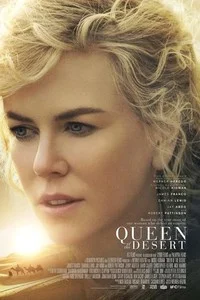 [Queen of the Desert (2015)](https://www.rottentomatoes.com/m/queen_of_the_desert)