A perfect score on Rotten Tomatoes is a rare feat in any medium, but for a continuing anime saga, it’s a powerful testament to enduring quality and an evolving creative vision. That’s exactly what the English dub of Trigun Stargaze has achieved, maintaining a flawless 100% rating. As this highly anticipated sequel to Trigun Stampede wraps up its run on Crunchyroll, it’s clear the series isn't just hitting critical marks; it’s deeply resonating with a global audience, largely thanks to the passion and craft of its English voice cast. 
For those tuned into the anime world, the name Trigun carries significant weight. It’s a series known for its unique blend of genres—a futuristic Western set on a desert planet called No Man’s Land. This isn't just a stylistic choice; it underpins the entire narrative, allowing for a compelling exploration of classic frontier themes like justice, survival, and individual morality against a backdrop of advanced technology, catastrophic events, and a looming threat. Stargaze picks up two and a half years after an event that leveled a city and plunged the planet into deeper disarray.
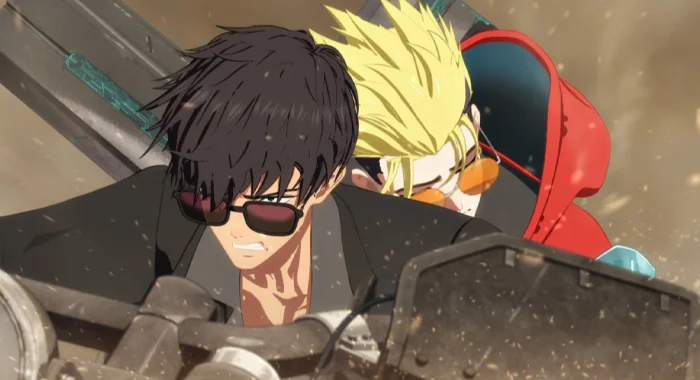
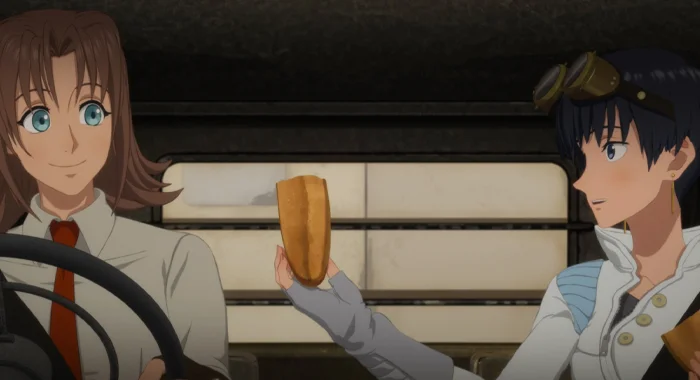
We find Meryl Stryfe, now a seasoned journalist, still on the trail of the legendary gunman Vash the Stampede, joined by her new partner, Milly Thompson. Along the way, they cross paths with the fan-favorite Nicholas D. Wolfwood. The story quickly reintroduces familiar elements: escalating plant robberies and the pervasive shadow of the Millions Knives organization. What keeps people coming back, beyond the sharp dialogue and intricate world-building, is the characters' emotional core and Vash's relentless pursuit of "Love and Peace" even in the most violent circumstances.

The Undeniable Power of the Voice
The success of an English dub often hinges on the connection forged between the voice actors and their characters, and by extension, the audience. Talking to the cast of Trigun Stargaze – Johnny Yong Bosch (Vash), David Matranga (Wolfwood), Sarah Roach (Meryl), and Alexis Tipton (Milly) – it's clear their passion for the story runs as deep as their fans'.
For these actors, who spend countless hours alone in a booth bringing these characters to life, the real reward comes from direct fan interaction. Sarah Roach mentions her joy at meeting Meryl cosplayers at conventions, emphasizing how seeing the audience's love for the series validates their isolated work. David Matranga highlights the intensity of the fanbase, noting how people approach him not just to acknowledge a trend, but to have a genuine discussion about what the story embodies. That's a different kind of connection, something more profound than fleeting popularity. Johnny Yong Bosch echoes this, describing it as "pretty awesome to be part of something that resonates with fans so wonderfully."
The Art and Challenge of Dubbing
Dubbing is far more than simply translating dialogue; it’s an intricate performance art. Johnny Yong Bosch explains the inherent difference from original animation, where actors' choices drive the visuals. In dubbing, the animation, and the original Japanese performance, set the stage. The English cast must then "put your color on it," a balancing act between fidelity to the original and infusing their unique vocal interpretations.
This process often involves what Bosch calls "chasing" the scene—reacting to visual cues, character distance, and established timing to deliver lines that feel natural despite the constraints. The dialogue writers play a pivotal role here too, crafting English scripts that align with lip flaps and natural speech rhythm while preserving the emotional weight and specific meaning of the original. Sarah Roach describes it as a "balancing act," requiring actors to hit the precise timing while still conveying the full spectrum of emotion. It’s a challenge that requires technical precision and raw acting talent, a "different animal" entirely.
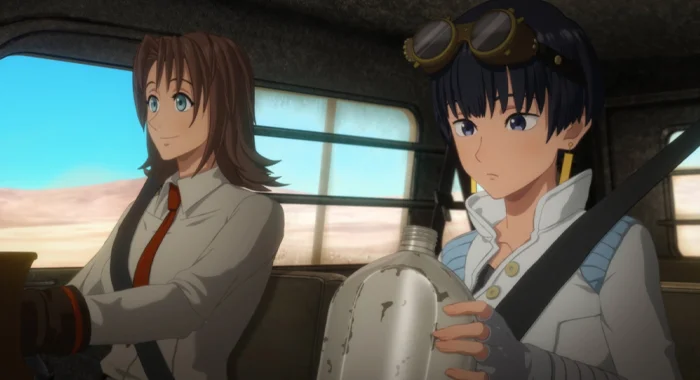
The cast also spoke to the sheer joy of seeing the full picture come together. Alexis Tipton, like her co-stars, records solo. She describes the fun of going back and hearing how a scene worked between characters, how Matranga's Wolfwood responds to Roach's Meryl. For Matranga, specific moments, like Episode 8, stand out once he hears the full, mixed performance, appreciating the choice of a particular take. This behind-the-scenes glimpse into their process reveals the collaborative spirit that ultimately enhances the final product.
A Futuristic Western with Heart
The "futuristic Western" genre mash-up isn't just a gimmick; it's a core draw. Alexis Tipton praises how well the "Old West vibe with the futuristic sci-fi" really works, noting how much Wild West iconography translates seamlessly into a sci-fi context. Matranga appreciates the dynamic tempo it allows—the often-slower pace of a Western punctuated by "full-on, big-screen" sci-fi action and spaceships. It's a setting that attracts fans of both genres and those who appreciate truly unique world-building. Johnny Yong Bosch observes that while the "space Western thing" draws people in, it's the depth of the characters and the compelling story that ultimately hooks them. It's not just genre; it's narrative soul.
Favorite moments for the cast often highlight this blend of character and setting. Bosch points to Vash's iconic "Love and Peace" from Stampede, and a poignant line where Vash declares, "I won't stop until they believe in me." Sarah Roach recalls Meryl's line to Vash in the first episode of Stampede: "You sure know how to use a gun," a line that perfectly encapsulates their early, skeptical dynamic. David Matranga enjoys the playful jabs like "needle noggin" or "Blondie," which carry layers of meaning in Wolfwood's relationship with Vash. Alexis Tipton's personal favorite is a running gag: Milly's inexplicable excitement about worms versus Meryl's utter horror—a small, human moment that shines through the sci-fi spectacle.
The Bittersweet End of a Chapter
As the English dub finale of Trigun Stargaze approaches its premiere on Crunchyroll on April 11, 2026, there’s a distinct feeling of bittersweetness among the cast. It’s a moment of closure, yet also one of yearning. David Matranga openly admits, "It just really makes me want to do more. I want more of the show, more of this." This sentiment is shared by Johnny Yong Bosch, who hopes fans will feel "satisfied yet still want more," perhaps even enough to "bug them to do another season."
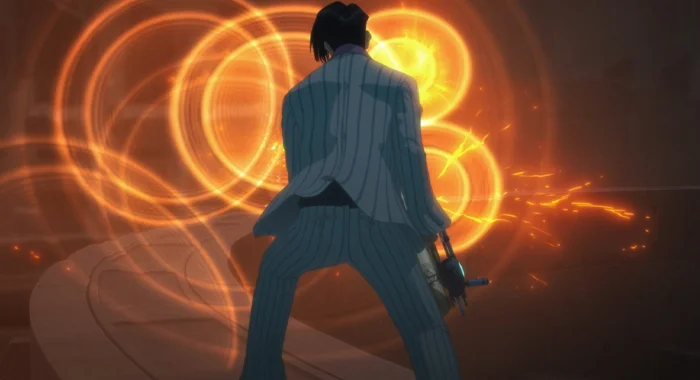
The phenomenal success of Trigun Stargaze, validated by both critical acclaim and passionate fan engagement, underscores a crucial point for the animation industry: a truly compelling story, delivered with authenticity and care across language barriers, can build an enduring cultural phenomenon. The English dub cast isn't just translating; they are integral storytellers, forging deep connections that transcend the screen. Their work ensures that the legacy of Vash the Stampede, Meryl, Milly, and Wolfwood continues to grow, leaving fans not just with a fitting conclusion, but with a fervent hope for what might come next. That desire for more, from both creators and audience, is arguably the highest praise any series can receive.