Imagine producing a show for 12 seasons, delivering 246 episodes, captivating millions, and generating half a billion dollars in revenue for its network. Then imagine that same network turning around and declaring your show wasn't a "hit" at all, essentially calling it a financial dud. That's precisely what Fox did with its long-running procedural, "Bones," sparking a bitter legal battle that laid bare some of the uglier realities of Hollywood accounting in the streaming age.
This wasn't just a dispute over numbers; it was a brazen attempt to redefine success itself, specifically to avoid paying the show's talent their due. And it serves as a stark reminder for anyone navigating content deals today that the language of profit participation is often intentionally opaque, designed to benefit the house.
The "Bones" Case: A Masterclass in Internal Lowballing
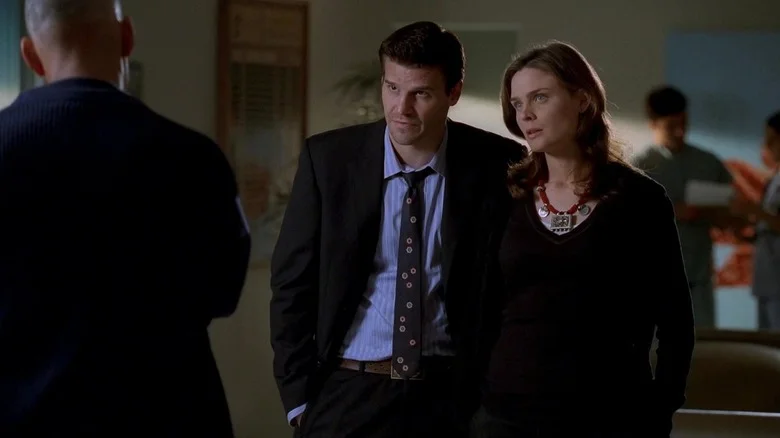
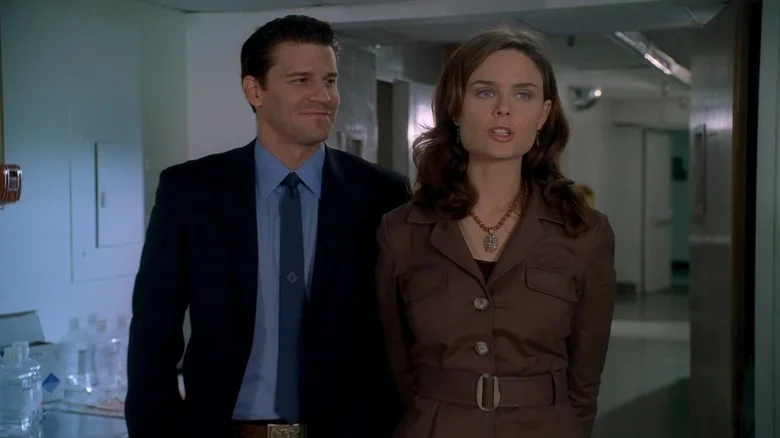
"Bones," for those who lived through its era, was a Fox bedrock. Starring Emily Deschanel as the forensic anthropologist Temperance Brennan and David Boreanaz as FBI agent Seeley Booth, the police procedural evolved into a comfort food romance for millions, airing from 2005 to 2017. The show performed, consistently.
Here's the thing: Deschanel, Boreanaz, author Kathy Reichs (whose life inspired the series), and executive producer Barry Josephson had contracts entitling them to a share of the show’s profits. But as the mid-2010s brought an acceleration of vertical integration in media – where companies owned both content and the platforms distributing it – studios found new ways to get creative with their ledgers.
Fox, owning both "Bones" (via its studio arm) and a significant stake in the streaming service Hulu, simply sold the rights to its own show to its own affiliate for what an arbitrator later called a "pittance." This internal transaction, conducted at what many saw as an artificially depressed price, allowed Fox to keep the lion's share of profits from the show's streaming life for itself. Since profit participants' cuts were based on those "sales," their earnings were deliberately slashed. This strategy effectively leveraged the network's ownership of both sides of the deal to create a significant, undisclosed discount for itself, at the expense of its talent. The Hollywood Reporter detailed the case when it settled in 2019.
A "Cavalier Attitude Toward the Truth"
The lawsuit, initiated in 2015 while the show was still running, pulled back the curtain on Fox's strategy. An independent arbitrator, Peter Lichtman, conducted a thorough review of the studio's licensing practices. His findings were devastating. Lichtman concluded that Fox was indeed massively undercharging its affiliates for "Bones" and had also pushed its actors to sign releases that further cut into their rightful earnings. He saw through the claim that "Bones" wasn't a major success, recognizing its undeniable popularity and profitability.
Lichtman didn't mince words. In his decision, he issued a scathing indictment of Fox's corporate culture, stating that "[Fox representatives] appear to have given false testimony in an attempt to conceal their wrongful acts. [They have taken a] cavalier attitude toward its wrongdoing," and maintained a "company-wide culture and an accepted climate that enveloped an aversion for the truth." This wasn't just a misinterpretation of numbers; it was a damning accusation of intentional deceit. Ultimately, Lichtman ruled that Deschanel, Boreanaz, and Reichs were owed $51 million.
If you're wondering how a show that ran for over a decade and generated hundreds of millions could be dismissed, consider the source. David Boreanaz himself noted that the freedom he and Deschanel had to hone their craft with an acting teacher was a key factor in the show's quality and enduring popularity. Clearly, the talent knew the show's value, even if the studio pretended otherwise.
The Shadow of Vertical Integration and Streaming
The "Bones" case didn't exist in a vacuum. It highlighted a larger industry shift, particularly with the rise of streaming services. For decades, the 1948 Paramount Decision prevented studios from owning both production and distribution, ensuring a more open market for content. That decision was overturned in 2019, but studios had already started consolidating power long before then. With streaming, the subscription model became dominant, replacing the traditional advertising-driven revenue streams that used to fund talent royalties.
When a studio sold a show on the open market or syndicated it, the ad revenue generated by that show directly contributed to the "profit" shared with creators and stars. Under the new model, by selling a show internally for a nominal fee, the studio could pocket all the subscription revenue from its streaming service, effectively cutting out profit participants entirely. This is "Hollywood accounting" in its most direct form: not just creative bookkeeping, but a systemic re-routing of revenue.
As a separate Hollywood Reporter article revealed, "Bones" was indeed a "half-billion dollar monster" for Fox in its first seven seasons alone. The idea that it wasn't a hit was simply a cover for profit diversion.
Lessons for the Industry: The Battle Continues
One might hope the "Bones" verdict would have put an end to such practices, but sadly, it didn't. The systemic issues it exposed were core to the 2023 WGA and SAG-AFTRA strikes. Fair compensation for streaming residuals and backend profits was a central demand. Writers, actors, and directors are still fighting for transparency and equitable pay structures in a landscape where studios increasingly control every facet of content creation and distribution.
The "Bones" case underscored a fundamental disconnect between a show's perceived popularity and its declared profitability for those who made it. For industry professionals drafting contracts, this serves as a cautionary tale: rely less on good faith and more on ironclad definitions of revenue, profit, and distribution, especially as "exclusive" content deals and direct-to-consumer platforms become the norm. Every word in those agreements matters, because studios have repeatedly shown they're willing to exploit any ambiguity to their financial advantage. With talks of a "Bones" revival being discussed, you can bet the new contracts will be scrutinized more than ever, reflecting these hard-won lessons.