Exclusive: Masters Of The Universe: Genesis Comic Reveals Skeletor's Origins, Eternia's History
·5 min read
Eternia's New Dawn: Why Mattel's "Masters of the Universe: Genesis" Comic Signals a Deeper Strategic Play
It’s clear Mattel isn’t just dipping its toes back into the waters of Eternia; they’re orchestrating a full-scale invasion. With a new live-action film on the horizon and a slate of animated series already making waves, the latest move is a deep dive into the lore itself: a 12-issue comic series titled "Masters of the Universe: Genesis," slated to begin this August from Dark Horse Books. This isn't just another tie-in; it feels like a foundational text, designed to anchor a multi-platform strategy and, perhaps, even course-correct some early anxieties around the upcoming movie.
The broader "Masters of the Universe" revival has been a fascinating case study in brand re-invention. We've seen ND Stevenson's "She-Ra and the Princesses of Power" on Netflix, a refreshing reboot of the female-led spin-off. Then Kevin Smith brought a darker, more direct continuation of the original 1980s Filmation cartoon with "Masters of the Universe: Revelation," also streaming on Netflix. This June, the cinematic push arrives with a new live-action film, directed by Travis Knight and starring Nicholas Galitzine as He-Man. Alongside this, a new action figure line is already in motion. This comic, then, isn't an isolated event; it's a critical component of a synchronized media blitz designed to capture both nostalgic fans and a new generation.
Skeletor: The Unavoidable Starting Point for a New Lore
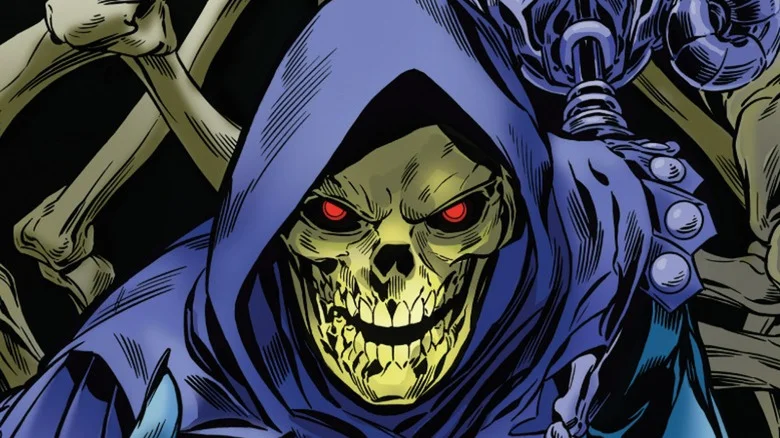
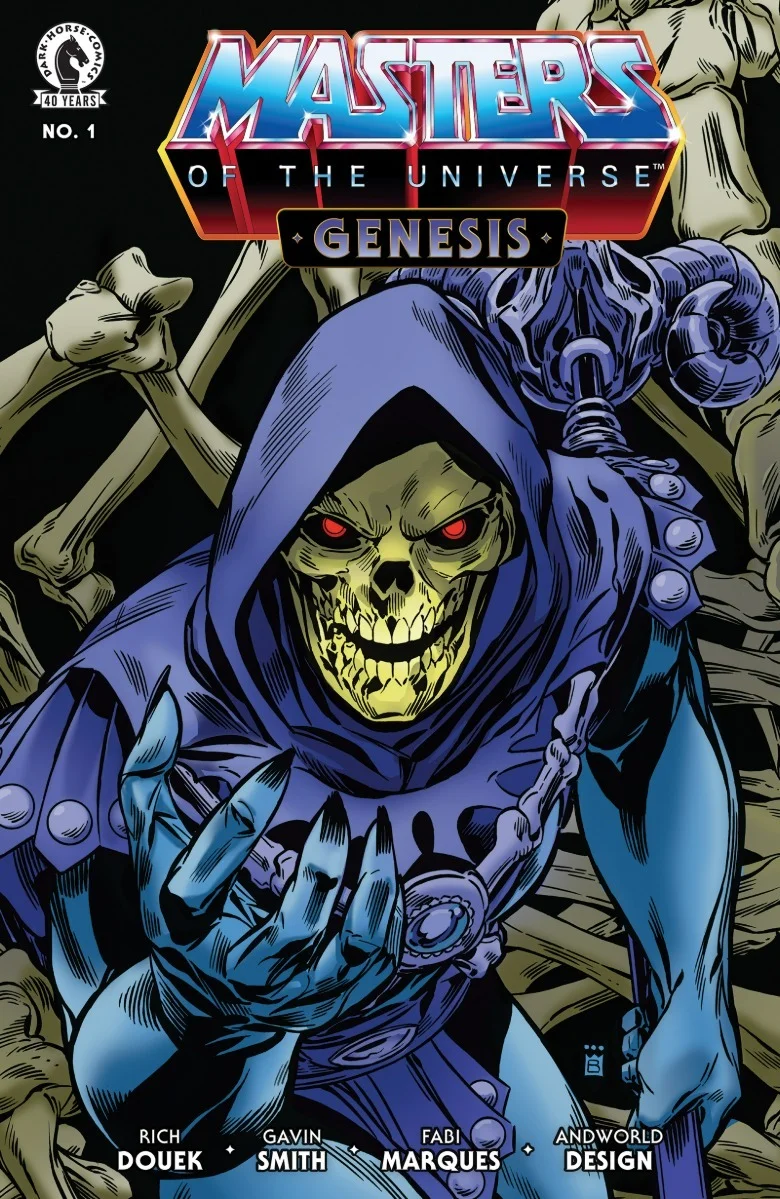
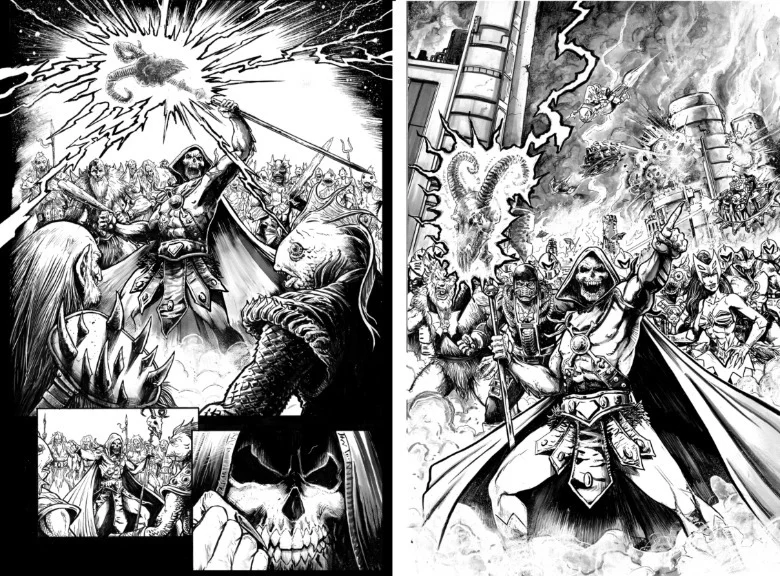
The choice to launch "Genesis" with Skeletor's origin story is hardly surprising, yet entirely strategic. The initial three-issue arc, penned by Rich Douek with art by Gavin Smith, promises to meet Skeletor as "a power-hungry demon-mage determined to seize control of Castle Grayskull, conquer Eternia, and become Master of the Universe!" This isn't just about chronicling a villain's path; it's about giving depth to arguably the most recognizable antagonist in American cartoon history. Skeletor, with his iconic skull face and delightfully theatrical evil, stands shoulder-to-shoulder with characters like Megatron from "The Transformers" or Cobra Commander from "G.I. Joe" as a truly memorable foe. His original voice, courtesy of Alan Oppenheimer, is part of that enduring charm.
Dark Horse Books/Mattel
Now, the lore around Skeletor has always had a certain malleability. In past tellings, he was Keldor, King Randor's half-brother – essentially He-Man's uncle. The interesting bit here is how "Genesis" will "iterate on this." That’s a careful choice of words, suggesting they're not necessarily rewriting, but perhaps expanding or reinterpreting. For an established franchise, especially one with as many iterations as "Masters of the Universe," controlling and solidifying the lore through a dedicated comic series is a smart move. It allows for detailed world-building that live-action films or shorter animated series often don't have the runway for.
Addressing Fan Expectations and a Certain Voice
The timing of this announcement also feels calculated. The live-action film's trailer gave us a peek at Jared Leto's voice for Skeletor, and the reaction, to put it mildly, wasn't universally enthusiastic. An immediate concern for many fans was how this iconic villain would sound. A robust, lore-heavy comic series focusing on Skeletor’s origins could very well serve as a crucial "fix" for those apprehensive about the movie's portrayal. It provides an alternative, a deeper dive into the character's menace and motivations, offering fans a more traditional, perhaps more satisfying, vision of the skull-faced sorcerer.
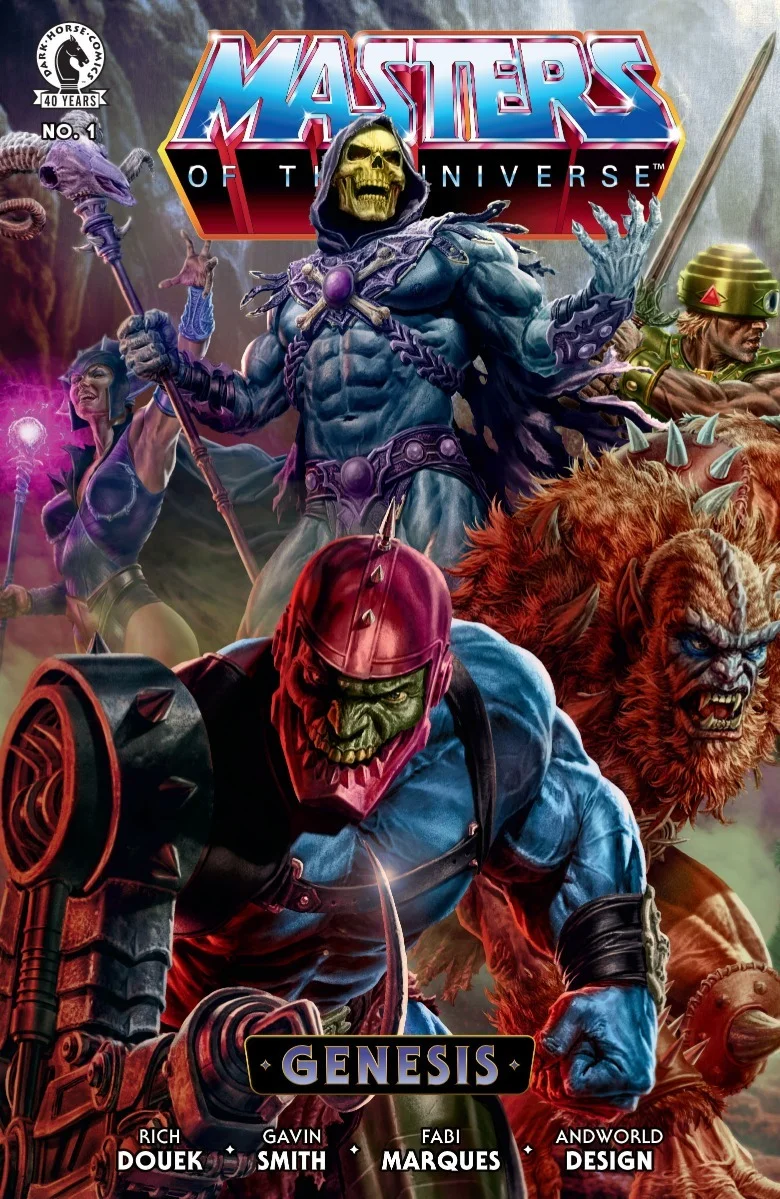
This is where the power of comics really shines for an intellectual property owner like Mattel. They can publish a definitive (or at least, highly detailed) account of their flagship villain, allowing multiple creative teams to build out the history of Eternia and its inhabitants. Subsequent arcs of "Masters of the Universe: Genesis" are set to feature creators like Cavan Scott (known for his "Star Wars: The High Republic" work), Nick Roche, John Harris Dunning, Giovanni LaPietra, and Tiffany Smith, who herself played Andra on "Masters of the Universe: Revelation." This diverse lineup suggests a broad ambition for the series, one that extends well beyond a single character's origin.
Dark Horse Books/Mattel
Dark Horse Books/Mattel
The Multi-Front Battle for Brand Relevancy
Mattel's play here isn't just about selling comics; it's about establishing a robust, interconnected narrative universe that can sustain interest across various media. By partnering with Dark Horse, a publisher with a strong history in handling established IPs, they’re signaling a commitment to quality and depth. Think about it: a 12-issue series offers substantial narrative real estate, far more than a single film or even a season of television. It’s an ideal format to flesh out characters, build intricate world history, and address long-standing fan questions.
"Masters of the Universe: Genesis" #1, featuring primary cover art by Mark Buckingham and a variant by Lee Bermejo (known for his photorealistic style), is set to launch on Wednesday, August 5. This comic could be the lynchpin in Mattel's strategy, acting as both a lore bible and a fan-service vehicle. It’s a move that recognizes the power of the printed page to provide context and depth that other, more blockbuster-oriented projects simply can’t. For anyone watching how legacy IPs are being managed in the modern media landscape, "Genesis" isn't just a comic; it's a statement about how Mattel intends to keep Eternia vibrant and relevant for years to come. The question now is whether this deep lore exploration can truly unify a notoriously fragmented canon and build a cohesive vision for the franchise's future. It’s a big gamble, but with Skeletor leading the charge, it's bound to be entertaining.
 Dark Horse Books/Mattel
 Dark Horse Books/Mattel
 Dark Horse Books/Mattel