The tech world is still digesting the news that Tim Cook, after years at the helm of Apple, will step down as CEO on September 1, 2026. His successor? John Ternus, currently Apple's hardware engineering chief. But beyond the corporate headlines and formal announcements — which included reactions from top world leaders — the real story unfolds in the conflicted reactions from Apple's most passionate users. This isn't just a leadership change; it’s a flashpoint for a long-simmering debate about Apple's identity and future direction.
Tim Cook's Polarizing Legacy: Growth Versus Imagination
Tim Cook’s tenure has been, by any objective measure, a period of phenomenal financial expansion for Apple. He inherited a company that Steve Jobs had revitalized, and under his leadership, Apple transformed into the world's most valuable corporation. Critics often point to this success, citing the incredible revenue and sales growth since 2011, making countless shareholders and employees incredibly wealthy. He's been lauded for his operational genius, his ability to navigate complex global supply chains, and for cementing Apple's position as a privacy-focused tech giant.
And yet, this narrative of unmitigated success doesn't capture the full picture for many in the tech community. The MacRumors forums, a hotbed of dedicated Apple observers, quickly showcased this deep division. For every user praising Cook for leaving Apple in an "amazing financial position" and for being "the right guy at the right time," there's another celebrating his departure with palpable relief. The core of this discontent often centers on a perceived decline in product innovation and "flair" since the Jobs era. Cook, some argue, was "anything but a visionary," missing what Steve Jobs intended for Siri and consistently delivering "boring, stale products" focused on "appeasing the shareholders nonstop."
The tension here is profound: a CEO who steered Apple to unprecedented market capitalization, but who, for a segment of its most fervent users, presided over an era of cautious iteration rather than bold, imaginative leaps. The conversation isn't about Cook's business acumen, which is widely acknowledged, but about a shift in product philosophy. The iPhone, for example, is credited with consistently saving the company, even as other projects like Apple Intelligence, Apple Car, and Apple Vision Pro are dismissed by some as costly missteps or underperformers.
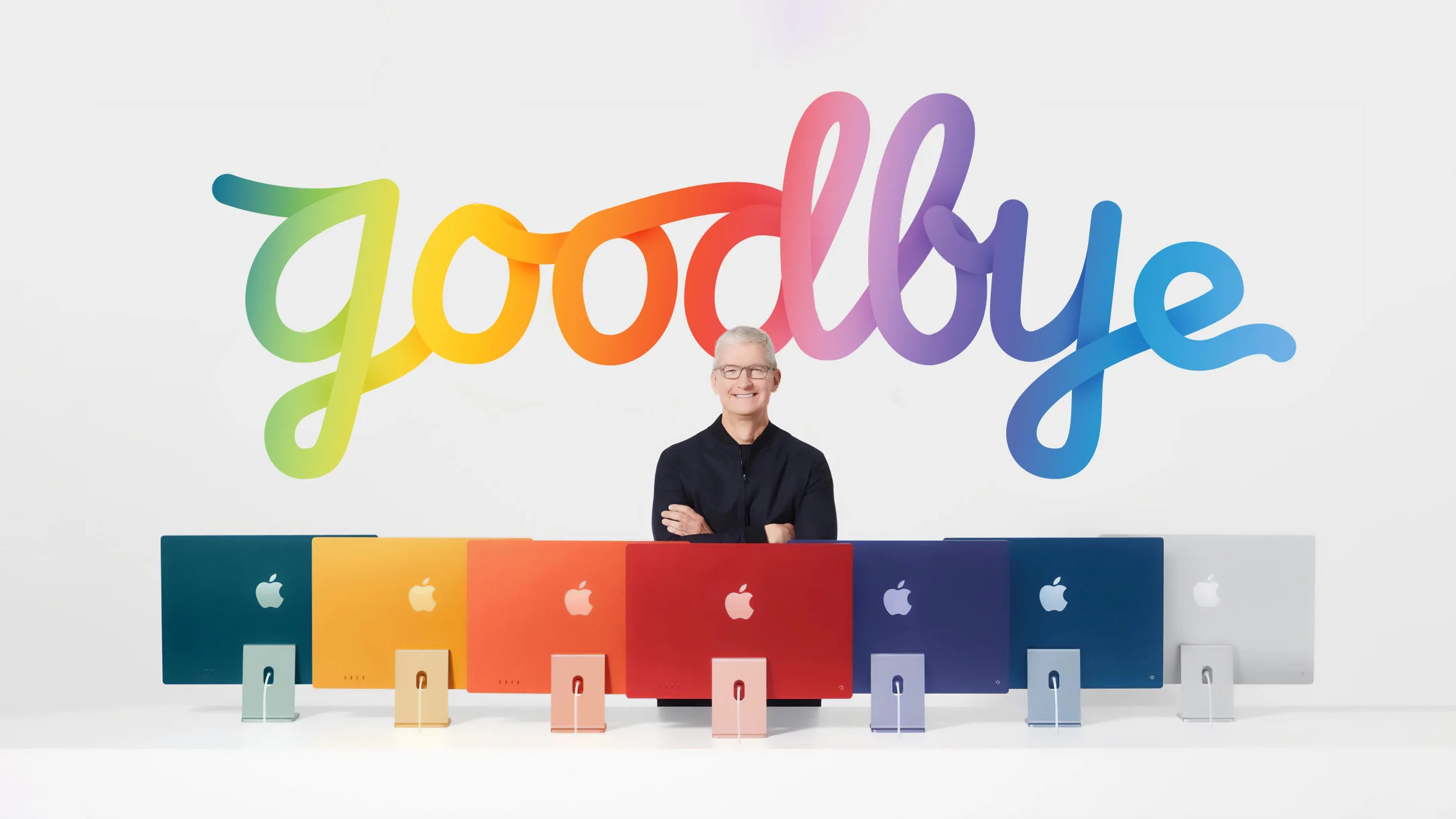
John Ternus: The Hardware Guy Apple Needs?
Enter John Ternus. His ascension from hardware engineering chief to CEO has sparked a wave of optimism among those who yearn for Apple to reclaim its reputation for groundbreaking physical products. The hope is that Ternus will bring "Jobs-like decisiveness" to product development and instill a "fresh ideology" within the company. Many users are explicitly hoping for a "hardware guy" to take charge, seeing this as a strategic move as the industry transitions into an "augmented reality era" where innovative hardware will be paramount.
This sentiment suggests a belief that Apple has lost its "verve" and "imagination," despite still producing "very good, buttoned-down products that sell like crazy." The desire for "ballsy, new daring products" is strong, and Ternus's background as an engineer, described by one user as a "stickler for detail," aligns with the vision of a leader who can deliver the "wow" factor that some feel has been missing. There's talk of a "foldable iPhone" and a "revamped Siri" as potential early wins that could "kickstart this guy's stint."
However, not everyone is convinced a leadership change guarantees a dramatic shift. Some caution that "people expecting meaningful change from Ternus are in for a world of disappointment," arguing that if you step outside the "MacRumors bubble," most people "LOVE their Apple products." This perspective suggests that Apple's current winning formula – robust, if predictable, updates – might just continue, because from a market perspective, it simply isn't "broken." Ternus, after all, has been part of the Apple executive team for years, and while his role emphasizes hardware, he's also been part of the strategic direction during Cook's tenure.
The Road Ahead: Innovation, AI, and the Executive Chairman
Ternus takes the reins at a pivotal moment. The smartphone market is maturing, and the next big computing paradigm, whether it's augmented reality or advanced AI, remains somewhat undefined. Apple, despite its financial might, has faced its own challenges in these emerging fields. The community's discussion points to a clear need for Apple to "get their AI ducks in a row," and there's an expectation that Ternus will need to push for significant advancements in software as much as hardware.
One aspect that adds a layer of complexity is Tim Cook's ongoing role. He plans to remain at Apple as Executive Chairman "for a long time," with some speculating he'll stay "at least until January 2029." This setup ensures a degree of continuity and mentorship, but it also raises questions about the full extent of Ternus's autonomy. How much will he be able to truly forge a "new, better direction for Apple" with the long-time CEO remaining as a significant presence on the board?
Ultimately, this transition at Apple is more than just a changing of the guard; it’s a litmus test for the company's future identity. Will it continue its trajectory as a meticulously managed, services-focused enterprise delivering solid, predictable products? Or will John Ternus usher in a new era of "daring products" and "genuine innovation" that rekindles the passionate devotion of its most critical users? The next few years will tell if Apple can navigate these pressures, maintain its financial dominance, and satisfy the longing for true technological leadership.