 View Online | Join All Access | Listen
Libraries Under Siege: The 2025 Challenge Data
The data from the ALA’s Office of Intellectual Freedom (OIF) for 2025 isn't just a routine statistical release; it's a stark reminder of escalating pressure on public and school libraries across the U.S. Each National Library Week, the OIF publishes its findings, and this year’s report on challenged books from 2025 suggests the situation is, if anything, worsening. A "challenge," as the OIF defines it, is essentially any formal complaint against a book. The outcomes vary: a book might be outright banned, relocated to a less accessible section, censored, or restricted, perhaps requiring parental permission slips. Ideally, no action is taken at all, but those instances appear to be shrinking. The numbers are genuinely concerning. In 2025, a staggering **4,235 unique titles** faced challenges. While that's the second-highest figure on record (2023 still holds the top spot), the real gut punch is the **5,668 books banned** from library shelves. That’s 66% of all challenges documented, and it marks the single highest number of books banned in a year the ALA has ever tracked. Another 920 titles ended up restricted. It's clear where the pressure is coming from, too. A massive **92% of all challenges** originated from organized pressure groups and government officials. This is a significant jump from 72% just a year prior. Contrast that with less than 3% of challenges initiated by individual parents, and you see a troubling shift in tactics and scale. The targets also remain consistent: roughly **40% of challenged titles** specifically feature LGBTQ+ individuals or people of color. This isn't just about controversial content; it's a pointed attack on representation and diversity in literature. Here are the eleven titles that topped the "Most Challenged Books of 2025 List": 1. Sold by Patricia McCormick 2. The Perks of Being a Wallflower by Stephen Chbosky 3. Gender Queer: A Memoir by Maia Kobabe 4. Empire of Storms by Sarah J. Maas 5. (tie) Last Night at the Telegraph Club by Malinda Lo 5. (tie) Tricks by Ellen Hopkins 7. A Court of Thorns and Roses by Sarah J. Maas 8. (tie) A Clockwork Orange by Anthony Burgess 8. (tie) Identical by Ellen Hopkins 8. (tie) Looking for Alaska by John Green 8. (tie) Storm and Fury by Jennifer L. Armentrout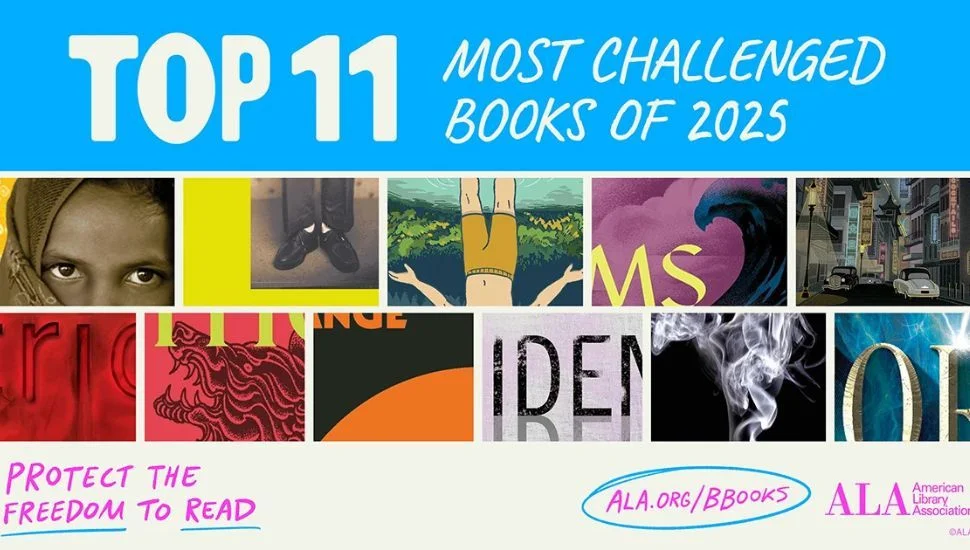 If you're working in this space, or just care about intellectual freedom, these statistics should raise eyebrows. The systematic nature of these challenges points to a broader cultural conflict playing out in our institutions. You can dig deeper into the OIF’s methodology, and see how their data aligns or diverges from PEN America’s reports, via Book Riot.
New Perspectives: This Week's Releases
Shifting gears, this week's new releases offer a different kind of lens on cultural friction, often examining the very issues that underpin societal debates. Megan Garber's Screen People, for instance, dives headfirst into how the modern media ecosystem reshapes our perceptions of one another. What happens when everyone and everything becomes content? That's a question with significant implications. Relatedly, Jordan Ritter Conn unpacks modern masculinity. While technology isn't the sole culprit for the current struggles faced by American men, it's undeniably a contributing factor. Conn’s approach, through the lives of four men, aims for something far more nuanced than what you'll typically find online.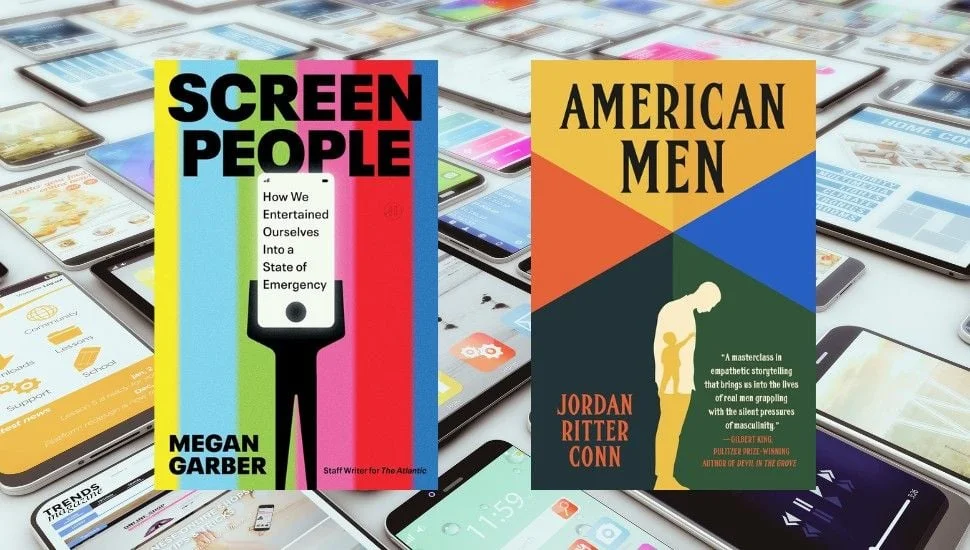 Also hitting shelves this week are a few other titles that caught our eye:
* Xochitl Gonzalez's latest novel follows a young woman moving to Brooklyn in 2007, discovering a neighbor's secret, and confronting the darker aspects of the American Dream.
* An architectural designer offers a fresh perspective on the history of the world, distilled into ten buildings.
* An elder millennial shares coming-of-age insights and early-middle-aged wisdom in a new collection of essays.
* Journalist Jodi Kantor, known for her impactful reporting, provides guidance and inspiration for finding your life's work.
You can dive into even more with Book Riot's New Release Index when you join All Access.
Also hitting shelves this week are a few other titles that caught our eye:
* Xochitl Gonzalez's latest novel follows a young woman moving to Brooklyn in 2007, discovering a neighbor's secret, and confronting the darker aspects of the American Dream.
* An architectural designer offers a fresh perspective on the history of the world, distilled into ten buildings.
* An elder millennial shares coming-of-age insights and early-middle-aged wisdom in a new collection of essays.
* Journalist Jodi Kantor, known for her impactful reporting, provides guidance and inspiration for finding your life's work.
You can dive into even more with Book Riot's New Release Index when you join All Access.
Sponsored Read: A Return to Kentucky
This section is brought to you by Sourcebooks Landmark. If you're looking for a compelling read, *The Mountains We Call Home* sees Cussy Lovett return. This standalone companion to Kim Michele Richardson's *New York Times* bestselling series has been a favorite for countless book clubs and boasts over a million readers — it even comes with a recommendation from Dolly Parton. Rich with detail from Kentucky life, the novel explores incarceration, class, strained family connections, and the persistent power of the written word. It's an ideal entry point for newcomers and a must-read for existing fans.
Share this email with friends.
If you're looking for a compelling read, *The Mountains We Call Home* sees Cussy Lovett return. This standalone companion to Kim Michele Richardson's *New York Times* bestselling series has been a favorite for countless book clubs and boasts over a million readers — it even comes with a recommendation from Dolly Parton. Rich with detail from Kentucky life, the novel explores incarceration, class, strained family connections, and the persistent power of the written word. It's an ideal entry point for newcomers and a must-read for existing fans.
Share this email with friends.
— KJ
 |  |  |  |
A Literary Powerhouse in Paperback
First up, if you haven't read Percival Everett's *James*, now's the time. This novel is more than just a retelling; it’s a full-throttle re-examination of Mark Twain’s *The Adventures of Huckleberry Finn* through the eyes of Jim, the enslaved man who journeys down the Mississippi with Huck. What sounds like a straightforward premise quickly becomes a profound exploration of Enlightenment humanism and the power of language as a tool for survival. Seriously, its ending is one of the most impactful I've encountered in recent memory.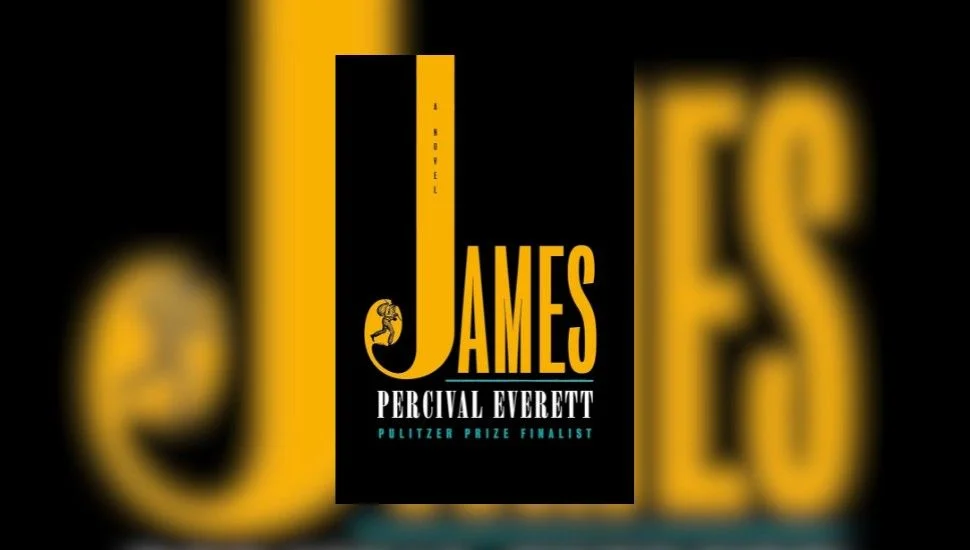 *James* didn't just impress critics; it became an immediate hit with a broad readership, a rare feat for literary fiction. It's one of only eight novels to ever clinch both the National Book Award and the Pulitzer Prize for Fiction. After a remarkable two-year run in hardcover, the kind of staying power few books see, Everett's acclaimed work finally hits paperback shelves this week. If you're looking for a deeper dive, our peers over at Zero to Well-Read recently discussed what makes *James* such a significant achievement and whether a prior reading of *Huck Finn* is even necessary.
CinemaCon's Adaptation Avalanche
Last week, CinemaCon once again proved itself the go-to event for revealing Hollywood's upcoming slate, particularly when it comes to book-to-screen projects. Film industry heavyweights and media buzzed through the convention, bringing us a heap of news on high-profile adaptations. Image via Alex Litvin on Unsplash
Christopher Nolan, for instance, gave attendees an exclusive look at extended footage from his ambitious adaptation of Homer’s *The Odyssey*. We're talking Trojan horse, Cyclops, the whole epic package, set to hit theaters July 17. Meanwhile, Taika Waititi’s take on Kazuo Ishiguro’s 2021 novel, *Klara and the Sun*, now has an October 23 release date from Sony Pictures, starring Jenna Ortega and Amy Adams. The deal was announced back in 2023, and I'll admit, there's been some low-level anxiety about how Waititi might handle Ishiguro's poignant narrative from an "artificial friend" perspective.
Then there's the ongoing expansion of the *Lord of the Rings* universe. Warner Bros. and New Line just unveiled the cast for *Lord of the Rings: The Hunt for Gollum*, landing in December 2027. Jamie Dornan is stepping into the role of Strider, with Viggo Mortensen opting out, while Leo Woodall and Kate Winslet also join the ensemble. Thankfully, Ian McKellen and Elijah Wood will reprise their fan-favorite turns as Gandalf and Frodo.
Paramount also brought a first look at Tomi Adeyemi’s *Children of Blood and Bone*, with Adeyemi co-writing the screenplay and Gina Prince-Bythewood directing. That one hits screens January 15, 2027, with a stacked cast including Cynthia Erivo, Idris Elba, and Regina King.
And finally, because no CinemaCon is complete without a head-scratching announcement, Paramount is apparently doing *Ebenezer: A Christmas Carol*. With Johnny Depp playing Scrooge, no less. I'm not entirely sure who asked for another *Christmas Carol* adaptation, let alone one with Depp in the lead, but the studio shared a first look. It's scheduled for a November 13 release, though I'm holding out hope for a festive change of heart from the studio before then.
Image via Alex Litvin on Unsplash
Christopher Nolan, for instance, gave attendees an exclusive look at extended footage from his ambitious adaptation of Homer’s *The Odyssey*. We're talking Trojan horse, Cyclops, the whole epic package, set to hit theaters July 17. Meanwhile, Taika Waititi’s take on Kazuo Ishiguro’s 2021 novel, *Klara and the Sun*, now has an October 23 release date from Sony Pictures, starring Jenna Ortega and Amy Adams. The deal was announced back in 2023, and I'll admit, there's been some low-level anxiety about how Waititi might handle Ishiguro's poignant narrative from an "artificial friend" perspective.
Then there's the ongoing expansion of the *Lord of the Rings* universe. Warner Bros. and New Line just unveiled the cast for *Lord of the Rings: The Hunt for Gollum*, landing in December 2027. Jamie Dornan is stepping into the role of Strider, with Viggo Mortensen opting out, while Leo Woodall and Kate Winslet also join the ensemble. Thankfully, Ian McKellen and Elijah Wood will reprise their fan-favorite turns as Gandalf and Frodo.
Paramount also brought a first look at Tomi Adeyemi’s *Children of Blood and Bone*, with Adeyemi co-writing the screenplay and Gina Prince-Bythewood directing. That one hits screens January 15, 2027, with a stacked cast including Cynthia Erivo, Idris Elba, and Regina King.
And finally, because no CinemaCon is complete without a head-scratching announcement, Paramount is apparently doing *Ebenezer: A Christmas Carol*. With Johnny Depp playing Scrooge, no less. I'm not entirely sure who asked for another *Christmas Carol* adaptation, let alone one with Depp in the lead, but the studio shared a first look. It's scheduled for a November 13 release, though I'm holding out hope for a festive change of heart from the studio before then.
Book Riot All Access: Your Deep Dive
On a related note for those keen on staying ahead in the literary world, Book Riot All Access is an option worth exploring. It's designed to give you expert insights, a new release index to track upcoming titles, and even a "Read Harder Challenge" to keep your reading habits sharp. If you're serious about deepening your reading life and keeping tabs on the industry, it's a valuable resource.
The *Divergent* Dilemma: Revisiting Past Triumphs
Veronica Roth is heading back to the well. At BookCon this past weekend, the author announced two new books set in her *Divergent* universe, with *The Sixth Faction* arriving this fall. Here's the thing: these aren't sequels, prequels, or even "interquels." Instead, they're set in an alternate universe, reimagining protagonist Tris Prior's journey with a different history.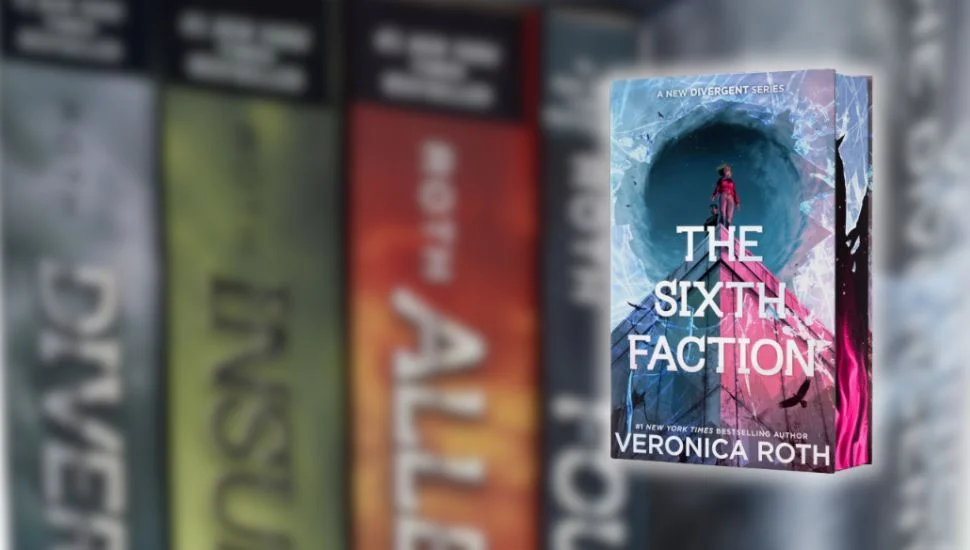 This isn't Roth's first return to her blockbuster franchise. Over a decade ago, she released *Four*, a collection of stories focusing on Tobias, Tris's love interest, only a year after the original *Divergent* series concluded. Now, with *The Sixth Faction*, it's been a full twelve years. While Roth hasn't stopped publishing, putting out several new series and standalone works, none have come close to the commercial heights of *Divergent*, and the film adaptations famously sputtered out.
This move raises an interesting question about what authors do after a single, career-defining hit. We're seeing a growing library of these "post-peak" returns—stories that revisit an original universe without actually progressing its narrative. Think E.L. James, Stephenie Meyer, Suzanne Collins, or even the sprawling universes of *Star Wars* and *Lord of the Rings*. Creating one breakout series is incredibly difficult, but it seems even harder to navigate what comes next, especially when the initial success proves impossible to replicate. It's a testament to the enduring power of a successful brand, but also perhaps a sign of the pressure to keep that brand alive, even if it means venturing into alternate realities.Here's the thing about publishing: what looks straightforward on the surface often hides layers of unexpected complexity, and Daniel Hahn's recent experience narrating his own audiobook drives that home. His book, *If This Be Magic: The Unlikely Art of Shakespeare in Translation*, dives deep into how Shakespeare's work stretches across languages, pun by pun, meter by meter, into 49 different tongues. It sounds like a fascinating read, a true "nerdy deep dive" into the magic and mishaps of global translation. You'd think narrating it would be a breeze for the author. Hahn certainly did, admitting he assumed it'd be "fun" and "quite easy."
He was wrong.
This isn't Roth's first return to her blockbuster franchise. Over a decade ago, she released *Four*, a collection of stories focusing on Tobias, Tris's love interest, only a year after the original *Divergent* series concluded. Now, with *The Sixth Faction*, it's been a full twelve years. While Roth hasn't stopped publishing, putting out several new series and standalone works, none have come close to the commercial heights of *Divergent*, and the film adaptations famously sputtered out.
This move raises an interesting question about what authors do after a single, career-defining hit. We're seeing a growing library of these "post-peak" returns—stories that revisit an original universe without actually progressing its narrative. Think E.L. James, Stephenie Meyer, Suzanne Collins, or even the sprawling universes of *Star Wars* and *Lord of the Rings*. Creating one breakout series is incredibly difficult, but it seems even harder to navigate what comes next, especially when the initial success proves impossible to replicate. It's a testament to the enduring power of a successful brand, but also perhaps a sign of the pressure to keep that brand alive, even if it means venturing into alternate realities.Here's the thing about publishing: what looks straightforward on the surface often hides layers of unexpected complexity, and Daniel Hahn's recent experience narrating his own audiobook drives that home. His book, *If This Be Magic: The Unlikely Art of Shakespeare in Translation*, dives deep into how Shakespeare's work stretches across languages, pun by pun, meter by meter, into 49 different tongues. It sounds like a fascinating read, a true "nerdy deep dive" into the magic and mishaps of global translation. You'd think narrating it would be a breeze for the author. Hahn certainly did, admitting he assumed it'd be "fun" and "quite easy."
He was wrong.
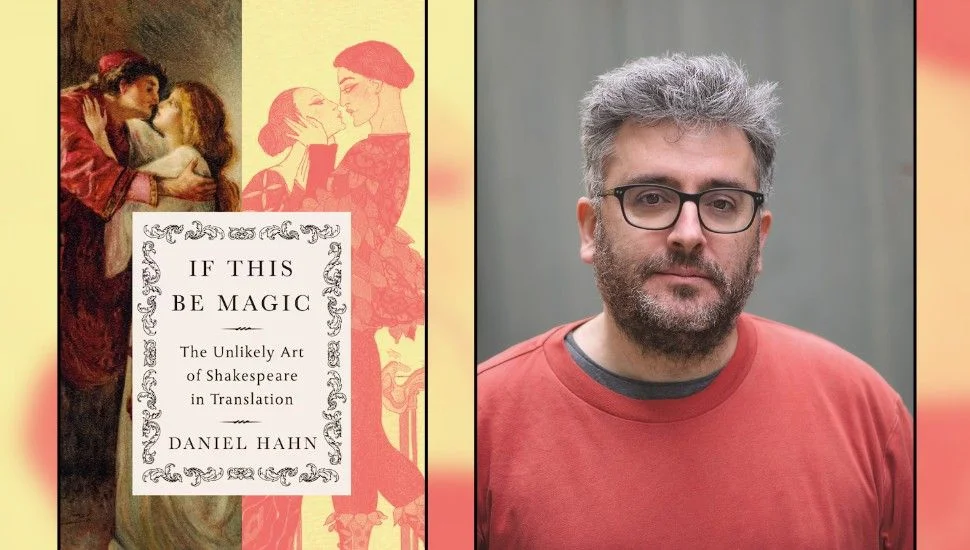
photo credit: Camila França
The core challenge? Hahn doesn't speak most of the languages he discusses in the book. Imagine trying to accurately vocalize examples ranging from "verse-making for a Polish-language *Hamlet*" to "a single troublesome word in a Māori-language *Macbeth*," or even the "relentlessly punning opening to *Romeo and Juliet* recreated in Thai." This isn't just about reading; it's about conveying the linguistic nuances that are central to his entire argument. The solution highlights something truly valuable: the immense, often unseen, collaborative spirit within the literary community. While a producer in New York, Lauren, enlisted twenty professional actors to tackle various linguistic extracts, Hahn was in London, scrambling. He relied heavily on his network of fellow translator friends, who would "pop into the studio to donate odd lines in Polish/German/Hungarian/Danish." He describes frantic nights learning pronunciation for the next day's recording, briefly becoming an expert on "Azeri vowels" or mastering a Scottish Gaelic name like "MacGilleMhoire" thanks to a late-night voice note from a friend. This wasn't just about finishing a project; it was a testament to how crucial human connection and expertise are in bringing complex literary work to a broader audience. Hahn's takeaway is sharp: his audiobook taught him not just about Shakespeare and languages, but "about my infinitely generous friends. Translators are great." You can grab his book, *If This Be Magic*, today from Knopf.The State of Reading
Hahn's story about the dedication required for a book on reading reminds me of a stark statistic that's been making the rounds. Thriftbooks, for instance, is pushing their "500 Billion Page Challenge" because, frankly, we're not reading as much as we used to. A decade ago, Americans collectively read around 500 billion pages annually. Today? That figure has dropped by a staggering 200 billion pages. That's a massive shift in engagement, and it speaks volumes about where our collective attention is going. It's a reminder that while the dedication of translators and authors remains, the audience for their work is shrinking. You can join the challenge to help reverse that trend. That said, it's not all doom and gloom. The power of storytelling, and the enduring legacies they create, still captivate us. Take, for instance, Charlotte Brontë, born April 21, 1816. You might know her for *Jane Eyre*, but did you know she and her sisters crafted an entire fantasy world called *Glass Town*, with over 20,000 words of backstory? It's a testament to the insatiable human desire to create and consume narratives, a drive that transcends centuries.
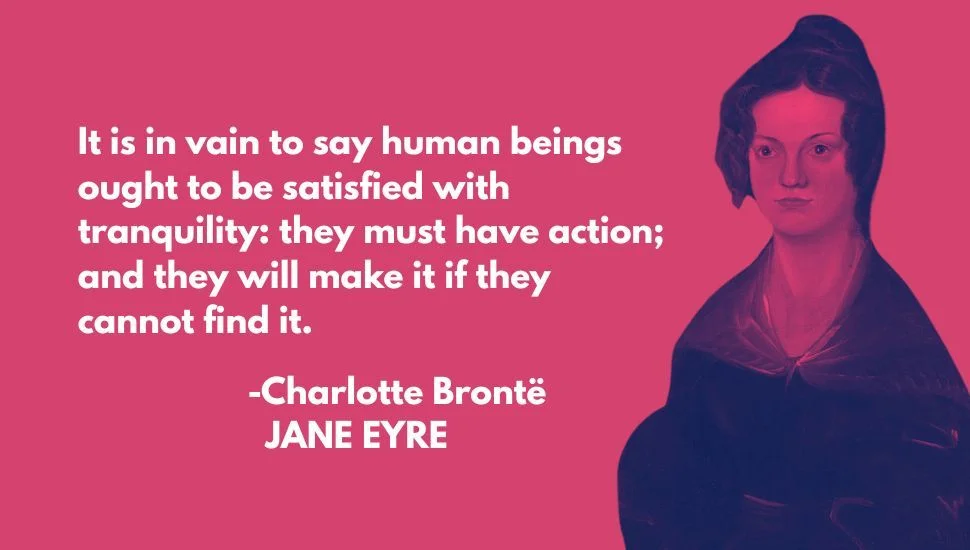 Ultimately, whether we're wrestling with the nuances of Shakespeare in translation or diving into a Brontë classic, the act of reading connects us—to other cultures, other times, and often, to a community of passionate people. That connection, as Hahn found, is where the real magic happens.