R&B's Unexpected Power Play: Usher and Chris Brown's Joint Stadium Tour Signals a Shifting Live Music Strategy
The announcement of a joint stadium tour featuring R&B heavyweights Usher and Chris Brown, dubbed the "R&B (Raymond & Brown) Tour," isn't just another concert series. Made in April 2026, it represents a calculated gamble in the live music industry, one that seeks to consolidate star power, command premium pricing, and perhaps rewrite the playbook for high-profile collaborations. For those watching the economics of entertainment, this isn't merely about two artists; it’s about a significant market maneuver.
The sheer scale is immediately apparent. Kicking off on June 26 in Denver, Colorado, and stretching through December 11 in Tampa, Florida, the tour spans dozens of dates across major North American stadiums like Empower Field at Mile High, U.S. Bank Stadium, Ford Field, MetLife Stadium, and SoFi Stadium. This isn't a string of arena dates; this is a full-fledged stadium assault, a clear signal of immense ambition and the belief that the combined draw of these artists can fill venues typically reserved for solo global sensations or multi-act festivals.
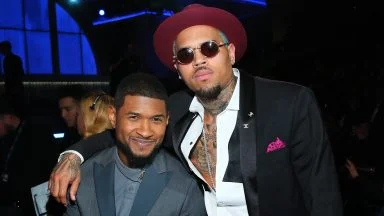
The Collaborative Edge in a Competitive Market
Here's the thing: while individual artist tours remain the backbone of the industry, joint ventures of this magnitude are strategic. Bringing together two artists with deep catalogs and fervent fanbases like Chris Brown and Usher isn't just about doubling the star power; it's about creating a unique event that transcends what either could offer alone. It activates different segments of the R&B audience, and it generates a novelty factor that drives engagement and ticket sales. This isn't a new concept, but executing it at stadium scale for an extensive run is a significant undertaking, demanding synchronized logistics, shared creative vision, and a unified brand message.
The marketing around the tour quickly established this joint identity. An Instagram post teasing the venture showed both artists revving motorcycles, racing towards a joint show, with fans alerted on their phones rushing to the concert. Usher's "It's time" followed by Chris Brown's "Hell yeah" as they step onto a stage speaks to a shared moment and a combined narrative. That’s a careful bit of storytelling, designed to cultivate a sense of an unmissable, singular experience for attendees.
Navigating the Ticket Price Minefield
One of the most sensitive areas in live entertainment today is ticket pricing. This tour enters a landscape where fans have grown increasingly vocal about what they perceive as exorbitant costs. The Harry Styles world tour, for instance, faced considerable backlash over prices, even for a residency. Against this backdrop, the "R&B Tour" is testing the market's tolerance. According to SeatGeek, tickets for select shows, including major markets like East Rutherford, Minneapolis, and Chicago, range from $120 to over $300. These aren’t general admission prices; these are starting points, suggesting that prime seats could easily climb much higher.
The staggered ticket sales strategy is standard industry practice but critical here. Presales, such as those for Citi cardmembers (beginning April 21) and Live Nation (April 23), serve multiple purposes. They reward loyal customers, generate early revenue, and, crucially, create urgency and buzz before the general public sale on April 27. This controlled release helps manage demand and allows promoters to gauge interest, potentially adjusting pricing or adding dates if initial demand outstrips supply.
What's particularly interesting for industry watchers is whether the combined star power of Usher and Chris Brown can insulate this tour from the kind of price resistance seen elsewhere. There’s a hypothesis that while individual artists might struggle to justify certain price points, a "super-tour" with multiple headliners might be perceived as offering greater value, thus softening the blow of high prices. It’s a test of perceived value versus absolute cost.
Implications for the Live Music Ecosystem
This R&B tour is more than just a series of concerts; it’s a case study in market dynamics for the live music sector. It demonstrates an ongoing trend of artists seeking to maximize revenue through larger venues and premium experiences, often in collaboration. For promoters and venues, such tours offer immense opportunities but also significant risk, given the upfront costs and logistics involved in stadium productions. The success of the "R&B Tour" could certainly influence other high-profile artists, particularly within genres with multiple established stars, to explore similar collaborative ventures.
If you're operating in the live events space, the thing worth watching here is how fan sentiment around ticket pricing evolves over the coming months of this tour. Will the perceived rarity and star power of this joint performance override cost concerns? Or will it contribute to the broader debate about accessibility in live entertainment? The data coming out of this tour won't just inform future R&B acts; it will offer valuable insights into the broader calculus of artist collaborations, market demand, and pricing elasticity in a post-pandemic concert environment where live music is more coveted, and perhaps more expensive, than ever.