The weekly rundown of book deals might seem like just a routine industry bulletin, but it's really a strategic map of where major publishers are placing their bets for the next two to three years. These aren't just transactions; they're forward indicators, revealing shifts in cultural interests, literary trends, and the enduring commercial power of compelling storytelling across diverse genres. What stands out this week, with titles slated for 2027 and 2028, is a pronounced emphasis on narratives that challenge, inform, and reflect a complex, often turbulent, world, alongside a healthy dose of escapism.
Charting Critical Histories and Contemporary Realities
One clear throughline in recent acquisitions is the publishing world's commitment to exploring both historical injustices and urgent global conflicts. Consider Krishan Trotman's debut novel, Black, Black Bird, secured by Tara Parsons at Amistad following a competitive auction. Trotman, already a publisher at Legacy Lit, is delving into post-Civil War New York City, centering on a nurse at the Colored Orphan Asylum. The publisher's description hints at "peril... beyond the asylum walls but within them," which immediately flags a deep dive into institutional failures and personal struggles against a backdrop of historical prejudice. It's the kind of historical fiction that promises both a rich setting and a sharp contemporary resonance. Publication is set for summer 2027.
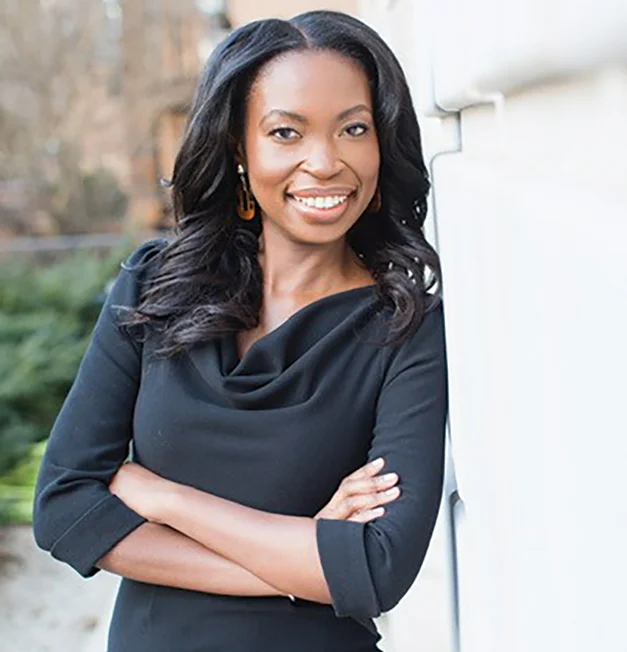
(photo: Nicole Naga)
Then there's Noor Naga’s debut memoir, Third Person, acquired by Anni Liu at Graywolf. This project feels particularly pointed, directly positioning Naga's grandmother's struggles in Egypt against the backdrop of "the active genocides in Palestine and Sudan." It’s an unflinching look at personal family trauma intertwined with global humanitarian crises, a narrative that won't shy away from difficult conversations. That Graywolf picked this up via an exclusive submission underscores a clear editorial vision. Look for it in fall 2027.
The trend extends to non-fiction, too. Riva Hocherman at Metropolitan landed Johns Hopkins professor Narges Bajoghli’s Weapons Against Humanity after an auction. The description, "a paradigm-shifting history of the Middle East," suggests an analytical work aiming to reframe understanding of a volatile region. Similarly, Ibrahim Ahmad at Viking secured Ruth Ben-Ghiat's Resisting Autocracy: What History Teaches About Fighting Back, also at auction. Ben-Ghiat, a historian of fascism, offers what's likely a timely and critical examination of political resistance. Both are scheduled for spring 2028. These aren't just academic exercises; they're positioned as essential reading for understanding our current political landscape.
Genre Fiction's Dynamic Range
It's not all heavy geopolitical analysis, of course. The deals also highlight the enduring, and often evolving, appeal of genre fiction. Emily Bestler, for instance, secured a two-book deal for actor and comedian Kendahl Landreth’s debut novel, Ready or Rot, at auction. It's pitched as a "rivals-to-lovers romance following two public school teachers during the zombie apocalypse." That's a clever, high-concept blend of popular tropes, promising both humor and heart amidst the undead chaos. The first book is set for summer 2027, with the second following in summer 2028.
Kristin Sevick at Minotaur also picked up a two-book deal for Rob Shafer’s debut, Lowdown in the High Desert. This one follows a gay doctor returning to his New Mexico cattle ranch, forced to confront his estranged father and play amateur detective when a neighbor turns up dead. It's a mystery that weaves in personal drama and a specific sense of place, hinting at character-driven depth beyond the whodunit. Expect that in 2027.
Then there's Megan Daniels' debut novel, Time Sick, bought by Natalie Hallak at Ballantine, also at auction. The premise is pure genre-bending: a woman travels five years into the future to solve her own murder, only to fall in love with her future self’s husband. It's a hook designed to grab attention, blending sci-fi with romance and a compelling mystery. That's a spring 2027 title.
New Voices, New Platforms
What's particularly striking across these deals is the significant number of debut authors. This isn't just about established names; publishers are actively investing in fresh perspectives and unproven talent. It speaks to an industry continually scanning for the next big voice, willing to take calculated risks on compelling stories, regardless of the author's prior literary track record.
It's also worth noting the acquisition by Harriet LeFavour at Bloomsbury of an as-yet-untitled book by political analyst and Substack writer Michael Lange. This isn't just a political analysis of New York City Mayor Zohran Mamdani’s campaign strategy; it's pitched as an examination of the city's modern mayoral history, demographic shifts, and coalition realignments, and what all that implies for the future of its people, the Democratic Party, and the entire country. That an author making waves on Substack is translating that attention into a world all-language rights deal with a major publisher like Bloomsbury shows the evolving pathways to traditional publishing success. Digital platforms are clearly proving grounds, allowing authors to build an audience and refine their voice before making the leap. That book is slated for winter 2028.
The Long Game
The timeline on these deals — with most publications scheduled for 2027 and 2028 — underscores the inherently long game of book publishing. From acquisition to editing, production, marketing, and distribution, it’s a multi-year process. This means that the editorial decisions being made now reflect a strategic vision for what the market will demand, or respond to, years down the line. It's not about what's trending today, but what will resonate with readers tomorrow, and the day after.
What we're seeing here is an industry making thoughtful, diverse investments. Publishers aren't putting all their eggs in one basket. They're backing narratives that tackle complex global issues, historical re-examinations, and deeply personal stories, while simultaneously ensuring a vibrant future for genre fiction that entertains and escapes. The blend suggests a confident, broad approach to cultivating the literary landscape for the coming years.