The sudden departure of Dianna Russini from *The Athletic* in mid-April 2026, following highly publicized images linking her to New England Patriots head coach Mike Vrabel, isn't simply a footnote in the sports news cycle. This incident lays bare the intense scrutiny faced by public figures and the often-unforgiving consequences when the lines between personal conduct and professional interaction become blurred. For both a high-profile NFL coach and a seasoned journalist, the fallout highlights the complex ethical terrain of modern sports media.
It's easy to dismiss these events as celebrity gossip, but that would miss the point. This situation exposes critical vulnerabilities for individuals operating in the public eye, particularly those whose careers demand constant interaction. Vrabel, only named the Patriots' head coach in 2025 and having quickly led the team back to Super Bowl contention, now finds himself navigating a PR crisis that transcends football strategy. Russini, a veteran NFL reporter, has seen her career trajectory fundamentally altered, a stark professional cost that resonates far beyond the initial, seemingly "innocent" interactions.
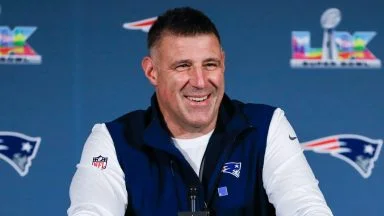
The Public Scrutiny and Vrabel's Reckoning
The controversy ignited when photos emerged showing Vrabel with Dianna Russini, both of whom are married, in what appeared to be a close interaction at an Arizona resort. Initially, Vrabel characterized the pictures as "innocent," a standard deflection we often hear in these situations. But the rapid escalation, and Russini's subsequent professional consequences, suggest a different reality.
By April 21, 2026, the narrative had shifted dramatically. Vrabel felt compelled to address the situation publicly, speaking about the "difficult conversations" he'd had. “I’ve had some difficult conversations with people that I care about, with my family, the organization, the coaches, the players,” Vrabel stated. “Those have been positive and productive. You know, we believe in order to be successful on and off the field, you have to make good decisions. That includes me, that starts with me. We never want our actions to negatively affect the team.”
My read on this is that the Patriots organization, facing potential reputational damage, wasn't content with a simple "nothing to see here." Vrabel's statement, with its emphasis on "good decisions" and preventing actions from "negatively affect[ing] the team," signals a clear acknowledgement that the incident went beyond a mere personal matter. For an NFL head coach, especially one leading a high-profile franchise like the Patriots, personal conduct is intrinsically linked to team morale and public perception. The standard isn't just about what's legal or technically 'innocent,' it's about what maintains trust and avoids distraction for a billion-dollar enterprise.
The Journalist's Professional Cost
While Vrabel's statement pointed to internal family and team discussions, the most tangible professional consequence landed squarely on Dianna Russini. Her resignation from *The Athletic* in the wake of the incident, following an internal review, is a potent reminder of the precarious balance journalists must maintain. Both Vrabel and Russini had initially defended the interaction as "innocent" and "misleading." Russini told *The New York Post* that the photos "don’t represent the group of six people who were hanging out during the day," adding that "Like most journalists in the NFL, reporters interact with sources away from stadiums and other venues."
And yet, that defense wasn't enough. The fact of an internal review and subsequent resignation suggests that *The Athletic* viewed the situation as a significant breach of professional decorum or, at minimum, a severe distraction that compromised her ability to cover the league objectively. This isn't about casting judgment on the nature of the relationship, but rather about the perception and the professional impact on a journalist whose credibility hinges on maintaining clear boundaries with sources. In an industry already grappling with access journalism and the blurring lines of social media, Russini's departure raises serious questions about the professional risks reporters face when their off-field interactions become public fodder.
Family in the Midst of Media Storms
Vrabel's reference to "difficult conversations with people that I care about, with my family" brings into focus the ripple effect of such public incidents. Vrabel has been married to Jen Vrabel since 1999, meeting her during their college days at Ohio State. Together, they have two sons, Tyler and Carter.
Tyler, born in 2000, followed his father into football, playing offensive tackle at Boston College before a brief stint with the Atlanta Falcons and then transitioning into coaching at his alma mater. Carter, born a year later in 2001, took a different athletic path, playing baseball at various collegiate levels, including Wabash Valley College and Tennessee Tech, where he earned Athletic Director's Honor Roll recognition.
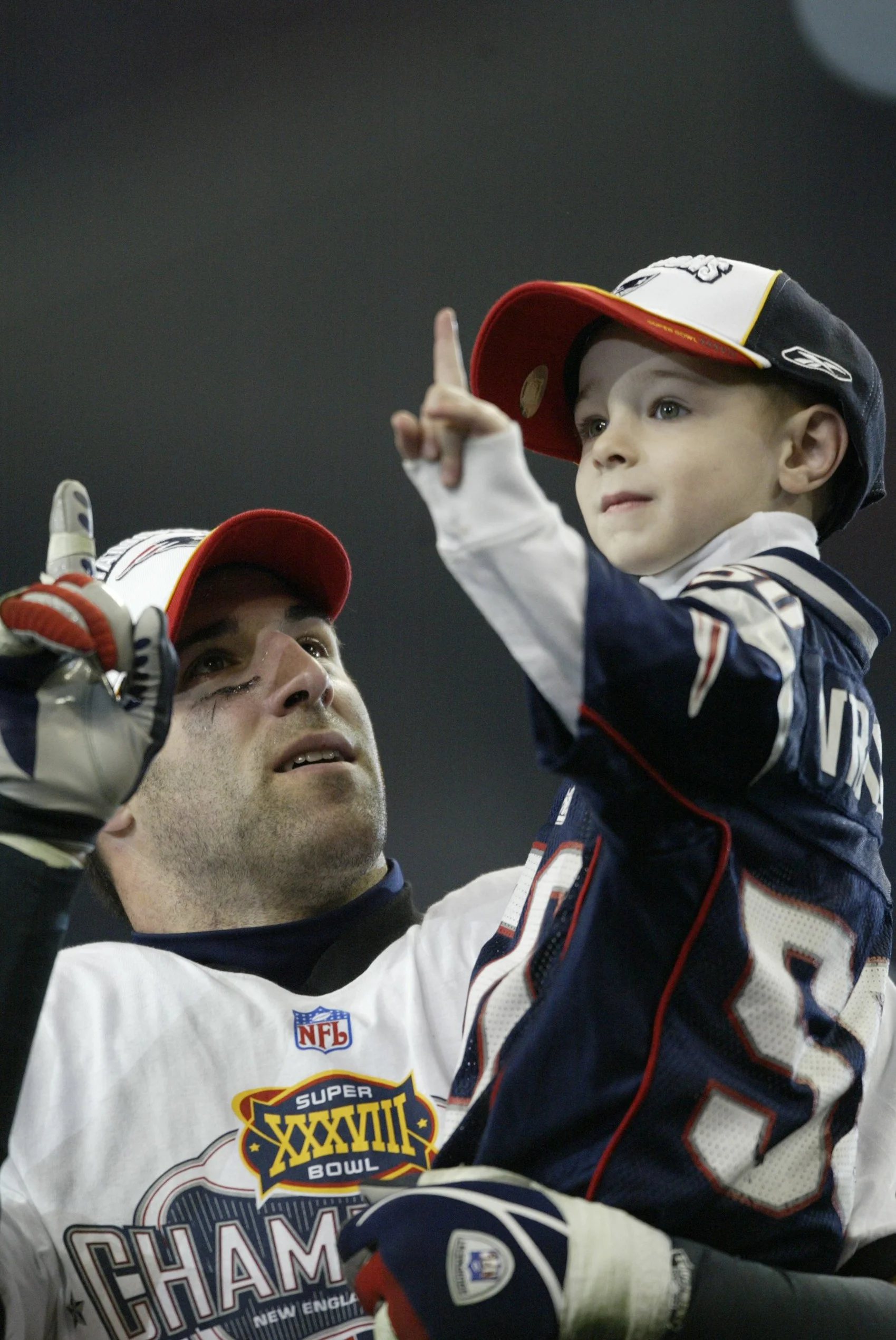
Tyler has spoken openly about his father's dedication despite his demanding NFL career. In a June 2023 interview, he remarked, “Looking back, though, I honestly can’t believe how much time he spent with us. I just don’t know how he managed to hang out with me and my brother and be at so many of our games and big events. He was an assistant baseball coach on my team one year. He always took time to make sure he was around whenever it was possible.” This context underscores the personal stakes in Vrabel's public statement; the image of a committed family man adds another layer to the scrutiny he now faces.

The Enduring Challenge of Public Persona
This episode serves as a powerful case study for anyone in a high-visibility role, whether in sports, tech, or politics. It's a reminder that in our hyper-connected world, personal interactions, particularly those that challenge perceived professional or ethical boundaries, can swiftly morph into career-defining moments. The immediate denials often fail to withstand the pressure of public opinion and internal corporate review.
For sports journalism, this incident reignites conversations about how reporters cultivate and maintain relationships with sources. Where exactly is the line between building rapport and potentially compromising impartiality? And how do media organizations protect their journalists while upholding their own ethical standards? Dianna Russini's resignation signals that, at least in this instance, a line was crossed, or perceived to be crossed, with significant consequences.
The thing worth watching here isn't just how Vrabel's public image rebounds, but how this event influences the broader dynamics between the NFL's influential figures and the journalists tasked with covering them. It's a clear signal that the rules of engagement are more stringent than ever, and the cost of misjudgment, or even just misperception, can be incredibly high for everyone involved.