The Influences: A Masterclass in Short Form
Kij Johnson: At the Mouth of the River of Bees
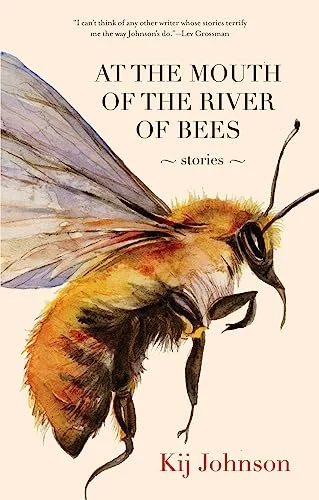 Mills opens with Kij Johnson’s At the Mouth of the River of Bees (Small Beer, $16 trade paper, ISBN 978-1-931520-80-5), a collection celebrated for its stylistic range. Johnson's work effortlessly shifts from folkloric allegory to contemporary surrealism, even delivering what Mills describes as a "viscerally shocking bit of science fiction." Stories like "The Cat Who Walked a Thousand Miles" and the chilling "Ponies" showcase this versatility, alongside the titular piece that moved Mills to tears. What Mills took away was foundational: a realization that personal style doesn't need to be confined by subgenre. That's a powerful lesson for any emerging writer, a permission slip to let one's unique voice roam free.
Buy this book
Nalo Hopkinson: Falling in Love with Hominids
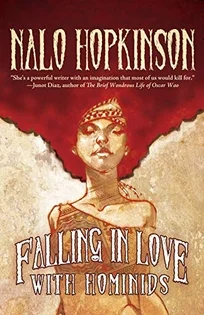 Nalo Hopkinson’s Falling in Love with Hominids (Tachyon, $15.95 trade paper, ISBN 978-1-61696-198-5) proved equally instrumental. Mills first encountered Hopkinson’s novel *Brown Girl in the Ring* in college, so discovering this collection was a natural progression. Hopkinson’s singular talent lies in seamlessly merging the fantastical with the mundane, letting her imagination run wild with flesh-eating plants and fire-breathing chickens. Her narratives, deeply rooted in her Afro-Caribbean heritage, traverse sci-fi, fantasy, horror, and historical fiction, all while dissecting the human condition. The takeaway for Mills was stark: embrace the unconventional, be specific, and chase inspiration without reservation. That's a mandate for fearless storytelling.
Buy this book
Catherynne M. Valente: The Melancholy of Mechagirl
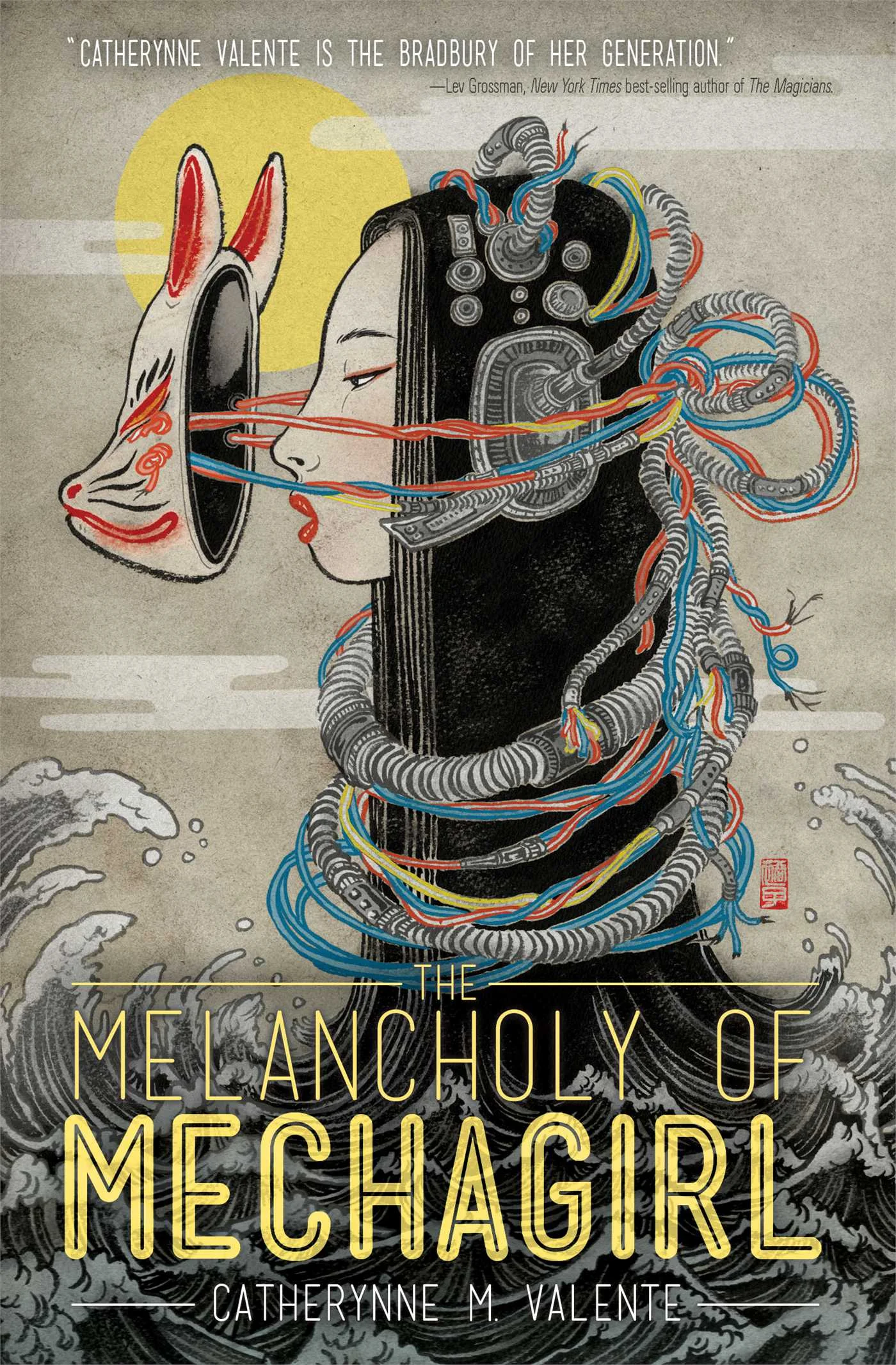 Catherynne M. Valente's The Melancholy of Mechagirl (Haikasoru, $14.99 trade paper, ISBN 978-1-4215-5613-0) resonated with Mills on a deeply emotional level. Valente's prose is consistently described as "lush" and "emotional," bordering on "desperate" in its yearning for connection. This collection of thirteen stories and poems, born from Valente's experience as a lonely Navy wife in Japan, is inventive, self-reflective, and poignant. For Mills, it was a masterclass in sentence-level artistry and in imbuing narratives with profound personal experience. The key lesson? Genre fiction doesn’t have to be utilitarian; the prose itself can be the beating heart of the work. That's a nuanced perspective often overlooked in discussions of speculative fiction.
Buy this book
Maria Haskins: Six Dreams About the Train and Other Stories
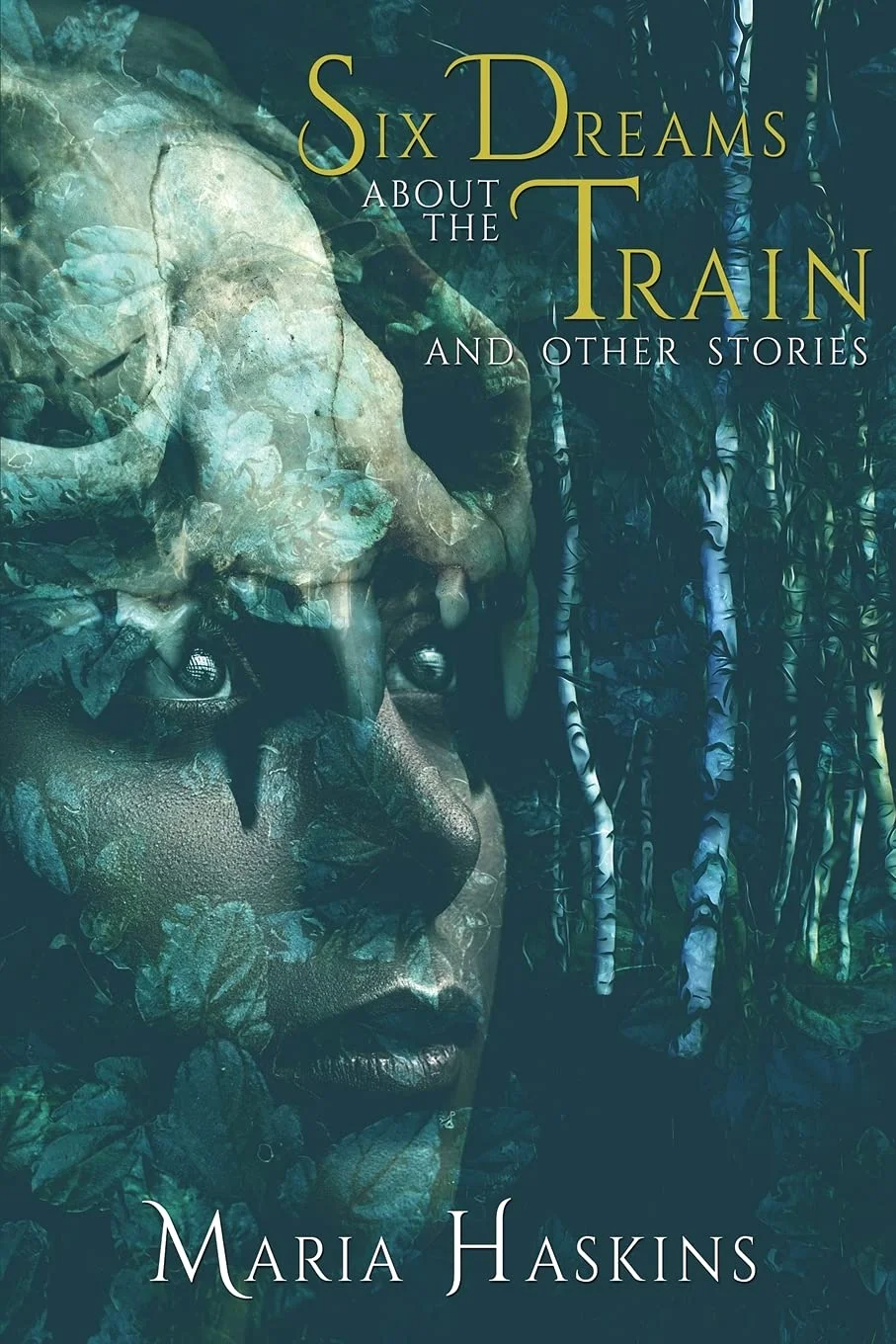 Maria Haskins, known for her prolific output (over 150 stories and two collections), earned a spot with Six Dreams About the Train and Other Stories (Trepidatio, $17.95 trade paper, ISBN 978-1-68510-005-6). Mills singles out the title story as "gutting flash fiction" and praises "Cleaver, Meat, and Block" for its chilling take on zombie reintegration post-plague. Haskins's strength, according to Mills, lies in her "exquisite prose" and profound human insight. This is a crucial point for writers in speculative genres: using the fantastic not as an escape, but as a lens to magnify "heartbreaking depths of emotion." Haskins's work exemplifies that.
Buy this book
Carmen Maria Machado: Her Body and Other Parties
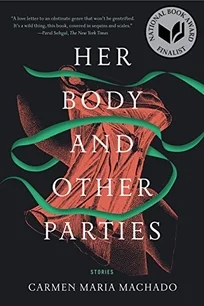 Carmen Maria Machado’s Her Body and Other Parties (Graywolf, $16 trade paper, ISBN 978-1-55597-788-7) is a collection that Mills not only devours but cites as teaching her "how to be brave, honest, and raw." Machado is a "bold, mesmerizing voice," whose work directly confronts themes of bodily horror, complicated queerness, and domestic abuse—threads also explored in her memoir, *In the Dream House*. Her formal experimentation is remarkable: the classic green ribbon legend becomes a meditation on marital autonomy in "The Husband Stitch," while "Especially Heinous" transforms *Law & Order: SVU* summaries into a bizarre tale of doppelgängers. This isn’t just good writing; it's a testament to pushing narrative boundaries for thematic impact.
Buy this book
Ted Chiang: Stories of Your Life and Others
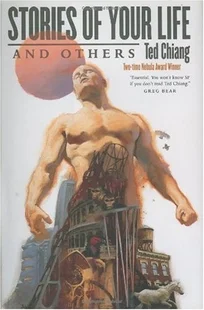 Ted Chiang, whose reputation almost precedes him in short fiction circles, is a "foundational text" for Mills with Stories of Your Life and Others (Tor, $24.95, ISBN 978-0-7653-0418-6). Chiang’s genius lies in marrying sweeping sci-fi concepts with deeply human emotional undercurrents. His stories, which span everything from philosophical explorations of mathematics and theology to alternative histories of golem-driven industrial revolutions, consistently hit harder because of this balance. "Story of Your Life," famously adapted into the film *Arrival*, is the quintessential example of his ability to merge complex linguistics with profound emotional narratives. For Mills, Chiang underscores the importance of thoughtful, measured exploration of every idea's implications. That’s a lesson in depth over breadth.
Buy this book
Suzan Palumbo: Skin Thief
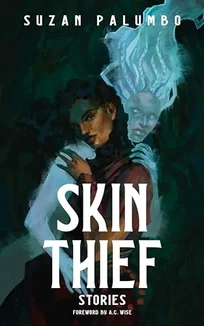 Suzan Palumbo, dubbed a "goth superstar" by Mills, showcases a "confident ferocity" in her horror and dark fantasy collection Skin Thief (Neon Hemlock, $18.99 trade paper, ISBN 978-1-952086-72-4). Palumbo blends the supernatural with gritty reality, confronting themes like racism, patriarchy, immigration, and queerness. The collection itself is cleverly structured, moving between Canadian English and Trinidadian dialect, mirroring Palumbo's own evolving background—a detail that hints at the author's personal investment in her craft. Stories like "Apolépisi: A De-Scaling" and "Douen" exemplify her willingness to tackle difficult subjects head-on. Mills's takeaway here is direct: don't shy away from painful topics. It's a reminder that speculative fiction can be a potent vehicle for addressing real-world discomfort.
Buy this book
Vanessa Fogg: The House of Illusionists and Other Stories
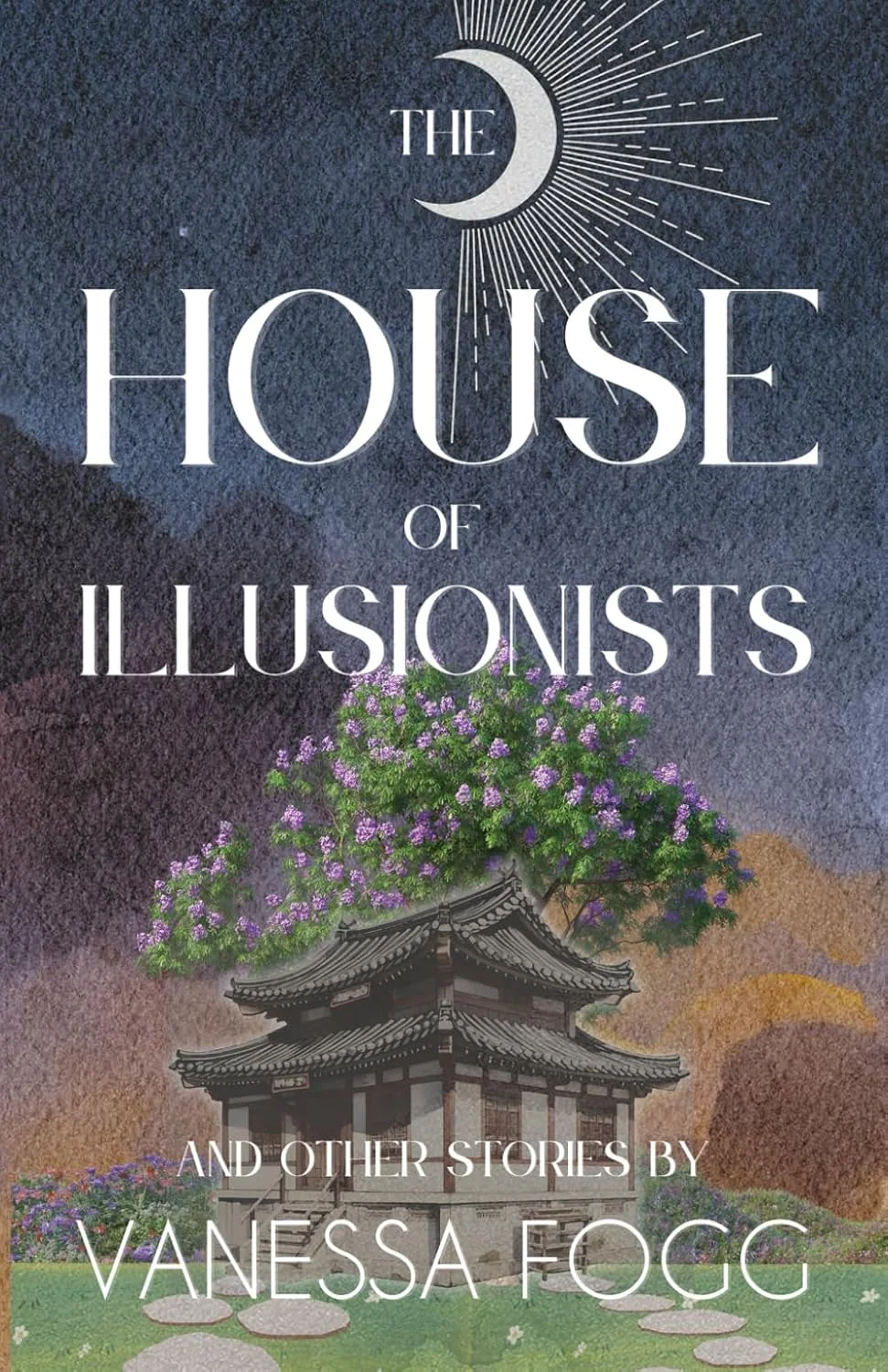 Finally, Vanessa Fogg's The House of Illusionists and Other Stories (Interstellar Flight, $17.99 trade paper, ISBN 978-1-953736-45-1), a relatively recent discovery for Mills, wraps up the list. Mills characterizes Fogg's work as "subtle and moving," often tinged with wistfulness. The collection's range is striking, from the playful metafiction of "Fanfiction for a Grimdark Universe" to the unsettling horror of "Sweetness." Fogg taught Mills to appreciate the beauty in small moments, to maintain authenticity and thoughtfulness, without sacrificing a sense of enjoyment. This insight suggests that even profound speculative fiction can, and perhaps should, retain an element of delight and genuine curiosity. It’s a subtle yet profound piece of advice for any writer navigating the complexities of genre.
Buy this book