The sudden, high-profile resignation of Dianna Russini from The Athletic in April 2026 isn't just another unfortunate headline in the often-turbulent world of sports media. It's a stark, unsettling case study in the power of public perception, the fragility of journalistic independence, and the dangerous speed with which a media narrative can spiral out of control.
Russini, a senior NFL insider with a reputation built over years at ESPN and The Athletic, stepped down amidst an internal review and a mounting "media frenzy" ignited by candid photos. The sequence of events here offers a lot to unpack for anyone operating in a public-facing industry, particularly those whose work relies on maintaining complex professional relationships.
When Professional Proximity Becomes Public Peril
The spark that lit this particular fire came from images published by Page Six in April 2026. These photos showed Russini with Mike Vrabel, the New England Patriots head coach, at the Ambiente luxury hotel in Sedona, Arizona. They appeared relaxed, comfortable, and at one point, seemed to interweave fingers before sharing a hug. The optics, particularly with Vrabel being legally married to Jennifer Vrabel since 1999, quickly generated social media speculation.
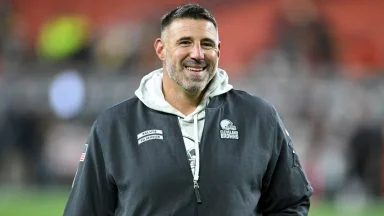
Both Vrabel and Russini immediately pushed back on the insinuations. Speaking to The New York Post, they insisted the interaction was innocent, part of a larger group of six friends, and that the photos simply didn't capture the full context. Vrabel's statement was direct: "These photos show a completely innocent interaction, and any suggestion otherwise is laughable. This doesn’t deserve any further response." Russini echoed this, clarifying: "The photos don’t represent the group of six people who were hanging out during the day. Like most journalists in the NFL, reporters interact with sources away from stadiums and other venues."
That last line from Russini is the one that really lands for me. It’s a foundational truth in journalism, especially in beat reporting like the NFL, that interactions with sources often extend beyond press conferences and locker rooms. Building trust, gaining access, and uncovering deeper stories frequently necessitate more informal settings. This isn't unique to sports; it's how relationships are built, and information flows, in countless industries where reporting thrives on insider access.
The Spiral: From Photos to Resignation
Despite the immediate denials, the narrative quickly took on a life of its own. The "media frenzy" that Russini alluded to in her resignation letter proved relentless. On April 14, 2026, less than two weeks after the photos surfaced, she resigned from The Athletic. Her resignation letter, addressed to executive editor Steven Ginsberg, painted a clear picture of the escalating pressure.
I submitted my letter of resignation to The Athletic. Everything I have to say about it is below. pic.twitter.com/401nrtbEsj
— Dianna Russini (@DMRussini) April 14, 2026
She specifically stated that while The Athletic initially "supported me unequivocally, expressed confidence in my work and pride in my journalism," the subsequent speculation was "simply unmoored from the facts." Critically, Russini also pointed to the ongoing nature of the scrutiny: "Moreover, this media frenzy is hurtling forward without regard for the review process The Athletic is trying to complete. It continues to escalate, fueled by repeated leaks, and I have no interest in submitting to a public inquiry that has already caused far more damage than I am willing to accept."
The mention of "repeated leaks" here is particularly telling. It suggests that information related to The Athletic's internal review, or perhaps other details, was being actively disseminated, further fanning the flames of public speculation and making it impossible for Russini to navigate the situation while maintaining her professional standing. This highlights a darker side of the media ecosystem, where the pursuit of a story, even one based on speculation, can be weaponized to the point of forcing a journalist out of their role.
Vrabel's Side: Managing the Fallout
Vrabel, for his part, also addressed the situation publicly, though he remained with the Patriots. His statement, made to reporters in April 2026, focused on accountability and the team's values. "I’ve had some difficult conversations with people that I care about, with my family, the organization, the coaches, the players. Those have been positive and productive," he shared. "You know, we believe in order to be successful on and off the field, you have to make good decisions. That includes me, that starts with me. We never want our actions to negatively affect the team."
While his statement doesn't explicitly confirm an inappropriate relationship, it underscores the intense scrutiny that high-profile figures, especially those in sports, face. Even an "innocent interaction" can force "difficult conversations" and demand public statements about "good decisions" to protect a team's reputation. It's a reminder that perception often outweighs reality in the court of public opinion, and the consequences are real and immediate.
The Chilling Effect on Reporting
The instinct is to read this as a personal scandal, but that misses the point entirely for industry professionals. What this episode really exposes is the precarious position of journalists, particularly women, who rely on access and relationships to do their job. If an innocent, albeit perhaps ill-advised, off-the-record gathering can lead to a career-ending "media frenzy," what does that mean for the future of nuanced, informed reporting?
The lines between professional interaction and personal entanglement are already under intense scrutiny in journalism. This incident only makes those lines blurrier and potentially more dangerous. It creates a chilling effect, forcing reporters to second-guess every casual interaction, every friendly gesture, every attempt to build rapport with a source away from official channels. And who suffers? Ultimately, it's the public, who lose out on the deeper insights and stories that emerge from those harder-won relationships.
The situation also forces a re-evaluation of media organizations' responsibilities. While The Athletic initially stood by Russini, the "repeated leaks" and the escalating "public inquiry" suggest a system that struggled to protect its journalist from external pressures and internal vulnerabilities. How do you support your reporters when the narrative becomes untethered from facts, and the feeding frenzy is driven by speculation and, seemingly, internal leaks?
This whole episode is a powerful demonstration of the current media environment: quick to judge, eager to speculate, and often devastating in its consequences, regardless of intent or fact. The challenge for journalists and their employers going forward isn't just about ethical conduct, it's about navigating a world where a single photograph, devoid of full context, can unravel a career. The thing worth watching here is how media outlets, and the journalists themselves, adapt to this new, hyper-scrutinized reality without sacrificing the essential act of building trusted relationships that underpins good reporting.