A new era at Apple isn't arriving with a jolt, but rather with a measured, internal transition that speaks volumes about the company's deeply ingrained culture and strategic direction. Tim Cook, who has helmed Apple for years, will step down as CEO on September 1, 2026, handing the reins to John Ternus, a long-time company veteran and its current Senior Vice President of Hardware Engineering. This isn't a bold outside hire or a sudden pivot; it's a deliberate choice for continuity, signaling a commitment to Apple's core product DNA. Cook himself described Ternus as “without question the right person to lead Apple into the future,” setting the tone for what promises to be a carefully orchestrated succession.
The Architect of Apple's Tangible Innovation
John Ternus represents the quiet, relentless engineering prowess that underpins Apple’s global brand. His promotion to the top job makes a statement. For decades, Apple’s success has hinged on its ability to fuse groundbreaking hardware with intuitive software and services. Ternus, who joined Apple back in 2001 and will turn 51 in May 2026, has spent nearly his entire professional life within these walls. He's been at the epicenter of developing some of Apple's most iconic devices, overseeing engineering for the iPhone, iPad, and the Mac.
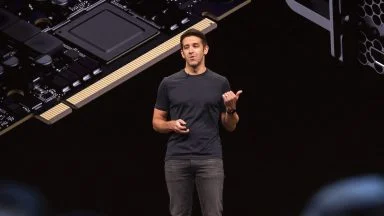
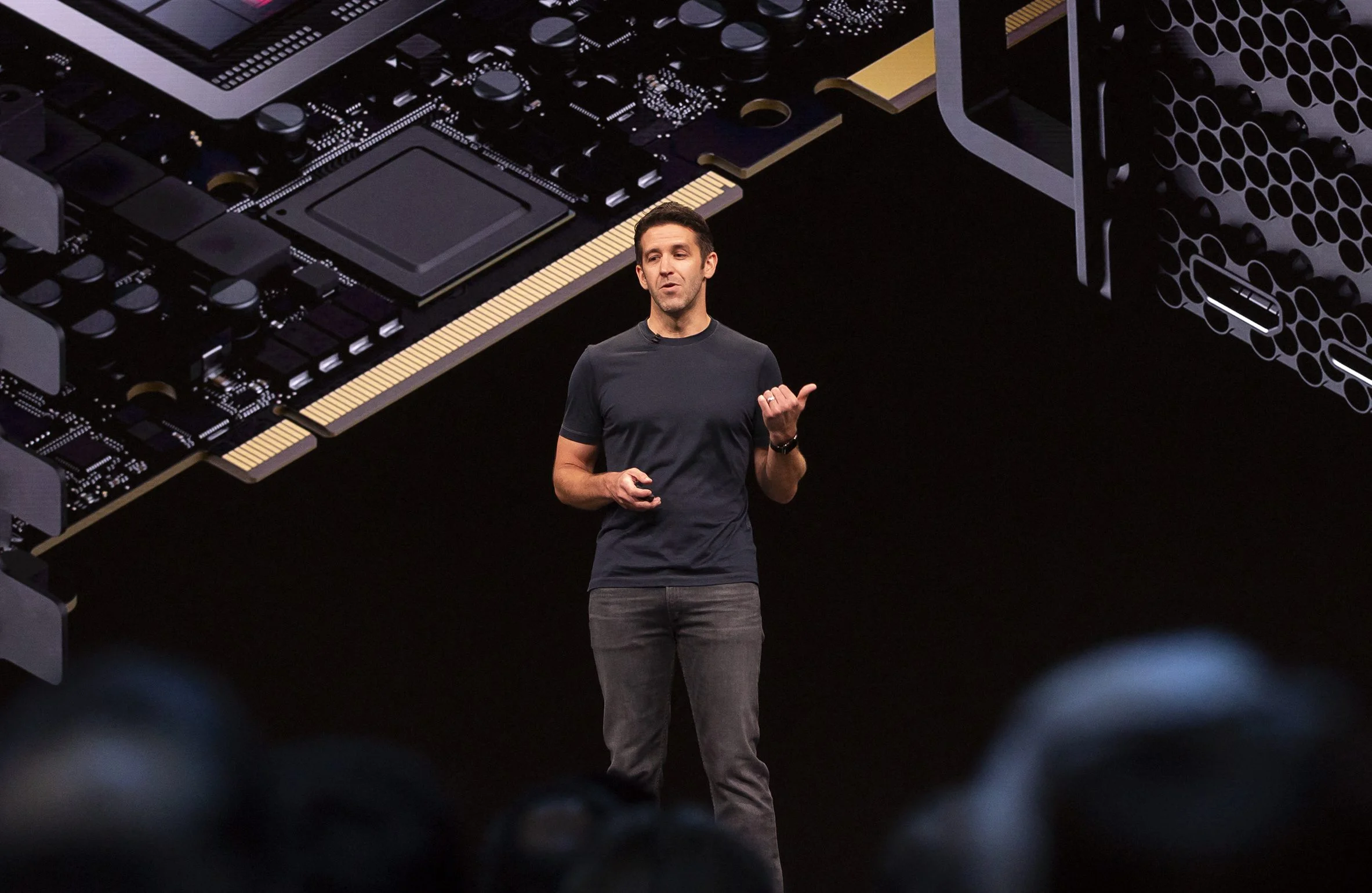
For anyone paying attention to Apple's product launches, Ternus is a familiar face on stage. He frequently appears at Apple events, presenting new products and updates to a global audience, demonstrating a clear command of the company's technical vision and an ability to articulate it effectively. His background isn't just about building things; it's about leading the teams that define the physical manifestation of Apple's innovation.
A Vision Passed Down: Mentorship and Mission
The transition is notably smooth. Cook isn't entirely stepping away; he’s shifting into a new role as executive chairman, implying ongoing guidance during this critical period. Cook’s endorsement of Ternus was effusive, calling him “a visionary whose contributions to Apple over 25 years are already too numerous to count.” He highlighted Ternus’s blend of attributes: "the mind of an engineer, the soul of an innovator, and the heart to lead with integrity and with honor." The message is clear: Ternus embodies the very qualities Apple values in its leadership.
Ternus, in turn, has expressed profound gratitude for the opportunity. It's not just a job to him; it’s a mission. He credits his long tenure with a rare privilege, stating he was "lucky to have worked under Steve Jobs and to have had Tim Cook as my mentor." This lineage is significant. It underscores a continuous thread of leadership philosophy, from the co-founder to his two successors. Ternus views his career as a "privilege to help shape the products and experiences that have changed so much of how we interact with the world and with one another." It’s an acknowledgment of Apple's profound impact on modern life and a pledge to uphold that legacy. He’s promised to "lead with the values and vision that have come to define this special place for half a century."
The Hardware Engineer's Mandate in a Software-First World
Choosing a hardware engineering lead in 2026 might seem, on the surface, like a conservative play when so much of the industry conversation revolves around AI, services, and subscription models. The instinct is to read this as Apple doubling down solely on physical products. But that misses the point. Ternus’s appointment doesn't just mean more and better iPhones; it means Apple is re-emphasizing the integrated experience where hardware, software, and services are inextricably linked. For Apple, the physical device isn't just an enclosure; it's the critical interface, the foundational element through which users experience everything else. His leadership suggests a continued focus on designing the *entire* stack, from the silicon to the casing, to create experiences unmatched by competitors.
This perspective is critical at a time when Apple continues to push the boundaries of spatial computing and mixed reality, areas that demand an almost obsessive attention to hardware design, thermal management, battery life, and ergonomic comfort. A leader deeply steeped in these challenges is uniquely positioned to guide the company through the next wave of computing paradigms. While he maintains a famously low personal profile—his marital status and family life are largely kept out of the public eye—his professional focus is intensely on the products that define Apple.
What Lies Ahead: Steering the Ship Through Innovation
John Ternus inherits a company that is, by many measures, an undisputed industry titan with an estimated net worth for Ternus himself around $75 million, largely built through his extensive career with Apple, including salary, bonuses, and significant stock awards. Yet, even giants face relentless pressure to innovate. His challenge will be to maintain Apple's momentum while subtly evolving its strategy to meet future demands, all without alienating a loyal user base or disrupting a finely tuned global supply chain.
The thing worth watching here isn't just the next iPhone or Mac. It's how Ternus, with his deep hardware roots, interprets and expands Apple's vision for integrated experiences in an increasingly digital world. Will his leadership push for even tighter vertical integration? How will he balance the need for revolutionary new product categories with the continuous refinement of existing ones? His tenure will be judged not just on sales figures, but on his ability to keep Apple at the vanguard of technological and design innovation, embodying the core values he’s championed for decades and delivering the kind of "bigger than any one of us" impact he spoke of.