The curtain has fallen on ShelfTalker, Publishers Weekly's long-running blog by children's booksellers, marking the end of a 15-year run that saw nearly 2,700 posts. While the official reason points to the lingering effects of the pandemic on group contributions, the final entry from prolific contributor Kenny Brechner is far more than a mere farewell. It's a sharp, impassioned critique of what he sees as fundamental threats to literary integrity and intellectual freedom, particularly within the children's publishing world.
Brechner, a bookseller himself, uses this concluding platform not just for retrospection but as a pointed commentary on "presentism" and censorship, issues that cut to the heart of how we engage with literature. His parting words aren't just for his peers in bookselling; they're a vital message for anyone navigating the increasingly fraught landscape of content creation, curation, and consumption.
A Quiet Close for a Long-Standing Voice
Launched 15 years ago, ShelfTalker became a consistent source of insight and opinion from the front lines of children's bookselling. Over its lifespan, the blog published 2693 posts, offering a unique window into the industry from the perspective of those directly connecting books with young readers. Brechner notes that the "slow leak in an aging tire" caused by the pandemic effectively halted the collaborative writing practice that once fueled the blog. Even as he personally continued to contribute roughly once a month, the collective energy never quite reanimated.
Credit for ShelfTalker's existence, Brechner is quick to point out, belongs to Diane Roback, Publishers Weekly's Children's Editor. He describes her as the blog's "creator, editor, and cheerleader," a figure of "vision and integrity" in the business. Her foundational role speaks volumes about the value PW placed on grassroots bookseller perspectives.
Brechner's Unflinching Perspective
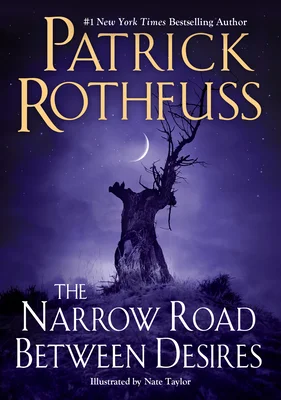
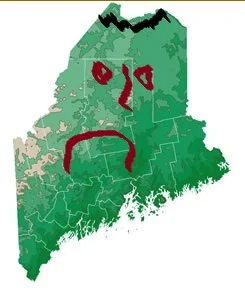
Kenny Brechner was one of ShelfTalker's most dedicated voices, personally authoring 354 posts. His contributions were diverse, ranging from humorous takes to serious industry analysis. Perhaps his most enduring post, at least in terms of sustained readership, was the 2017 piece, The Real Reason Patrick Rothfuss’ Kingkiller Is Not Here Yet, which continues to resonate given the ongoing wait for the third book in the Kingkiller Chronicle. He also cites The Problem with Problems as his most important work, alongside favorites like The State of Maine’s Apology to Lev Grossman and an interview with Gail Carson Levine’s Book Covers. His particular brand of satire was evident in pieces like A Surprising Suitor for the Amazon Headquarters II, and he even ran popular contests such as The Best Behaved Blurb and the memorable Valentine for Blobfish Contest, complete with a charming Submissions Page.
But it's his direct confrontation of industry politics that truly stands out. Brechner resigned from the ABA (American Booksellers Association) Board, citing his reasons publicly in a ShelfTalker post, "My Reasons for Resigning from the ABA Board." Here's the thing: he takes a stark position on what he views as hypocrisy within organizations ostensibly dedicated to free speech. He asserts that the ABA's impulse to "strongly defend the speech that they agree with" puts them "at odds with all seven of the Freedom to Read Statement’s precepts" promoted by the ALA (American Library Association).
The Harm of "Harmageddon" and "Presentism"
Brechner doesn't pull punches when discussing censorship. He frames any attempt to suppress speech, even that we find offensive, as a dangerous path. There's "no end run around the First Amendment principle of tolerating speech we are offended by that doesn’t result in censorship, hypocrisy, and autocracy," he says. The core of his argument is that criticism, not suppression, is the proper response to written works. Trying to censor in the name of protection from "perceived harm" leads only to an escalation he dubs "Harmageddon."
This ties directly into his final, profound reflection on "presentism"—the tendency to impose current values and perspectives onto past works. Brechner views this as a "form of narcissism that is fatal to literature." Every book, every author, he contends, is a creature of their specific moment, reflecting both the virtues and flaws of their time. The integrity of these works, with all their complexities, must be protected. To revise or expunge content based on contemporary sensibilities, he argues, assumes a "mad belief that we, unlike every other generation who had the same false belief, have it right and are justified in expunging wrong from creative works." It's a powerful statement against retroactive cultural gatekeeping.
Children's Books: Essential Portals in Peril
Where Brechner's argument gains even more urgency is in its application to children's literature. He posits that children's books are "the most magical portals of all," offering escape, education, and solace. He paints a poignant picture of children, even those in challenging circumstances, finding "enchanted schools, fabled sanctuaries, homes, friends, monsters, dangers—and other things a child... could desperately need" within these pages. The idea that "children with terrible parents can be raised inside books" or find hope where none exists elsewhere underscores the critical importance of an unadulterated literary experience. Protecting the integrity of these "vast interior spaces" is, for Brechner, not just an academic exercise but a moral imperative, safeguarding the unique interplay between a child's experience and the literary worlds they encounter.
The End of a Blog, the Persistence of a Debate
Even as ShelfTalker concludes its run, the debates it helped foster, particularly around intellectual freedom and the evolving standards for children's content, show no signs of abating. Brechner's final post serves as a potent reminder that the publishing industry, especially the segment serving young readers, is a battleground for ideas, values, and the very definition of literary heritage. The closure of a platform like ShelfTalker leaves a void, but its legacy is clearly one of vigorous, often provocative, advocacy for the power of books, warts and all.
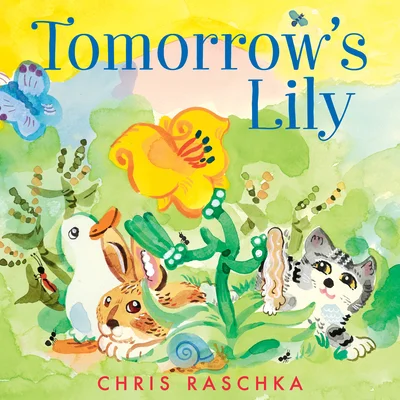
As for 2024 itself, Brechner points to Chris Raschka’s Tomorrow’s Lily as a book offering "sweet, deep, healing" counterweight to the year's anticipated travails. It's a small but significant nod to the enduring power of literature to offer perspective, even when the broader conversation turns contentious. The thing worth watching here is how industry professionals, from booksellers to publishers, will continue to champion that diverse literary integrity without the dedicated, consistent voice ShelfTalker provided.